Rental homes / 10 MIN READ
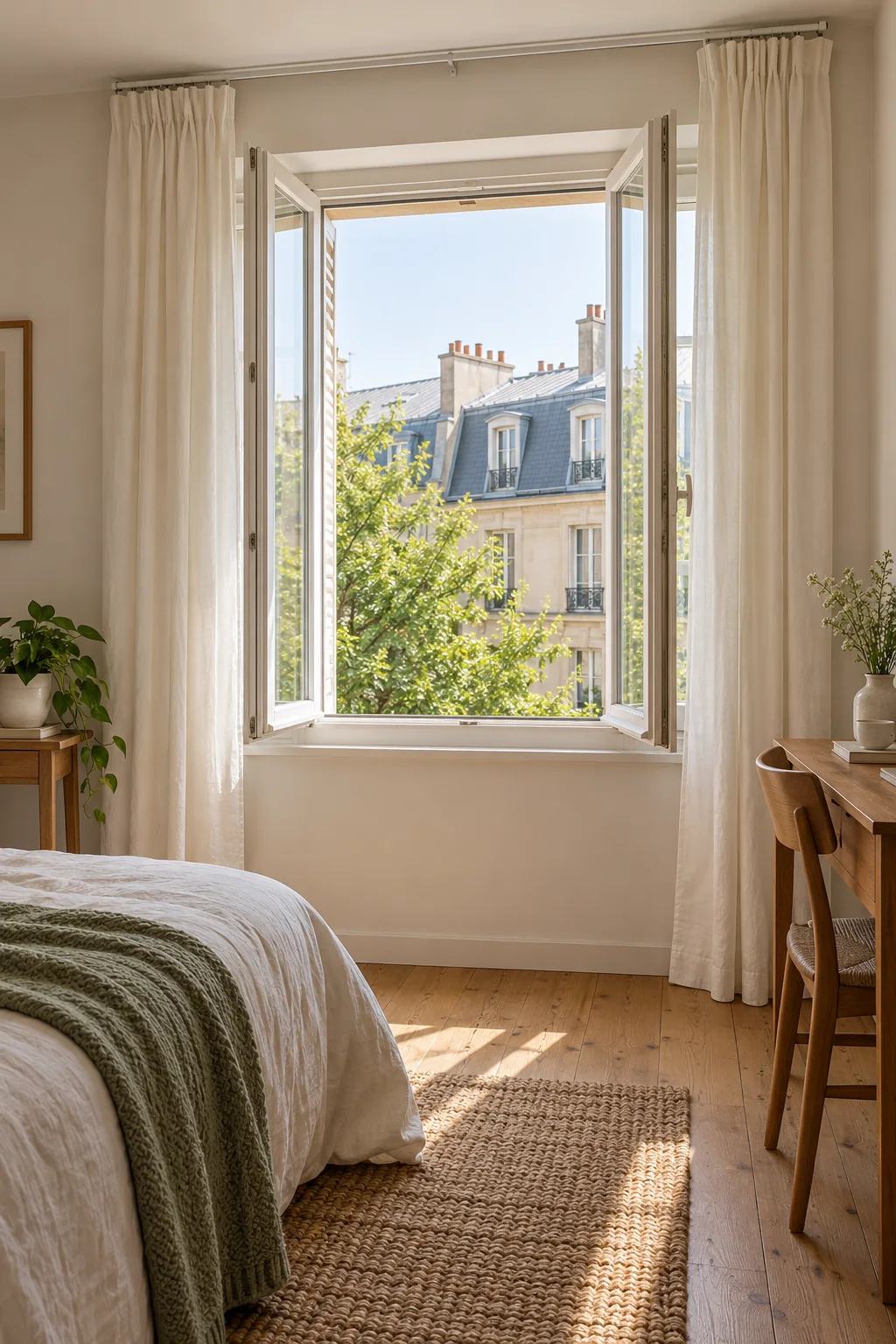
Choose Window Treatments for a Rented Room That Still Opens Easily
Plan rental-room curtains or cordless blinds around permission, existing fittings, window movement and practical privacy needs.
Useful ideas, everyday room problems and small ways to make home feel more like you. Start with measurements, keep what works and choose the next change thoughtfully.
50 guides to explore
Plan rental-room curtains or cordless blinds around permission, existing fittings, window movement and practical privacy needs.
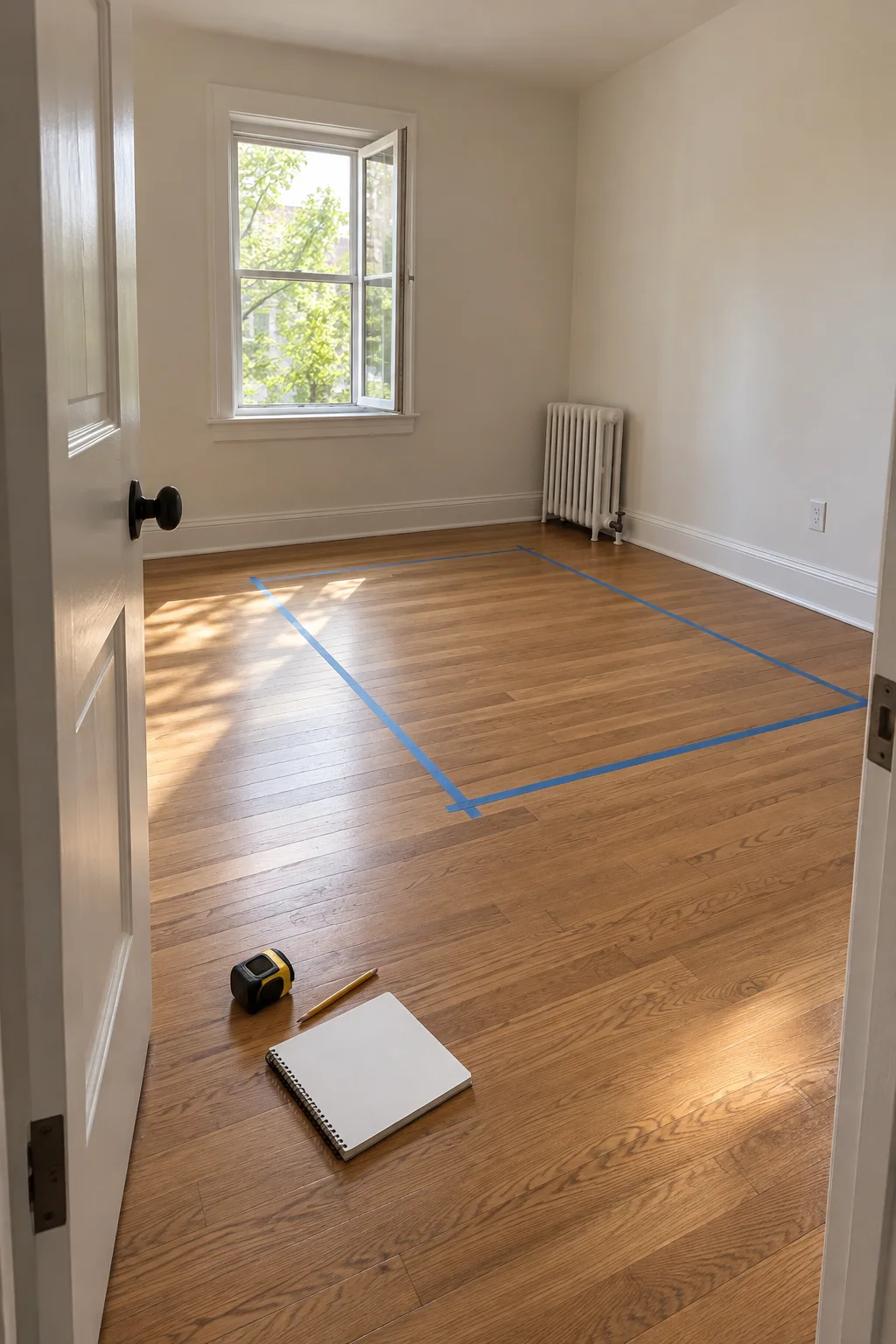
Use a practical move-in measurement checklist for walls, openings, furniture footprints, power access and the delivery route before ordering.
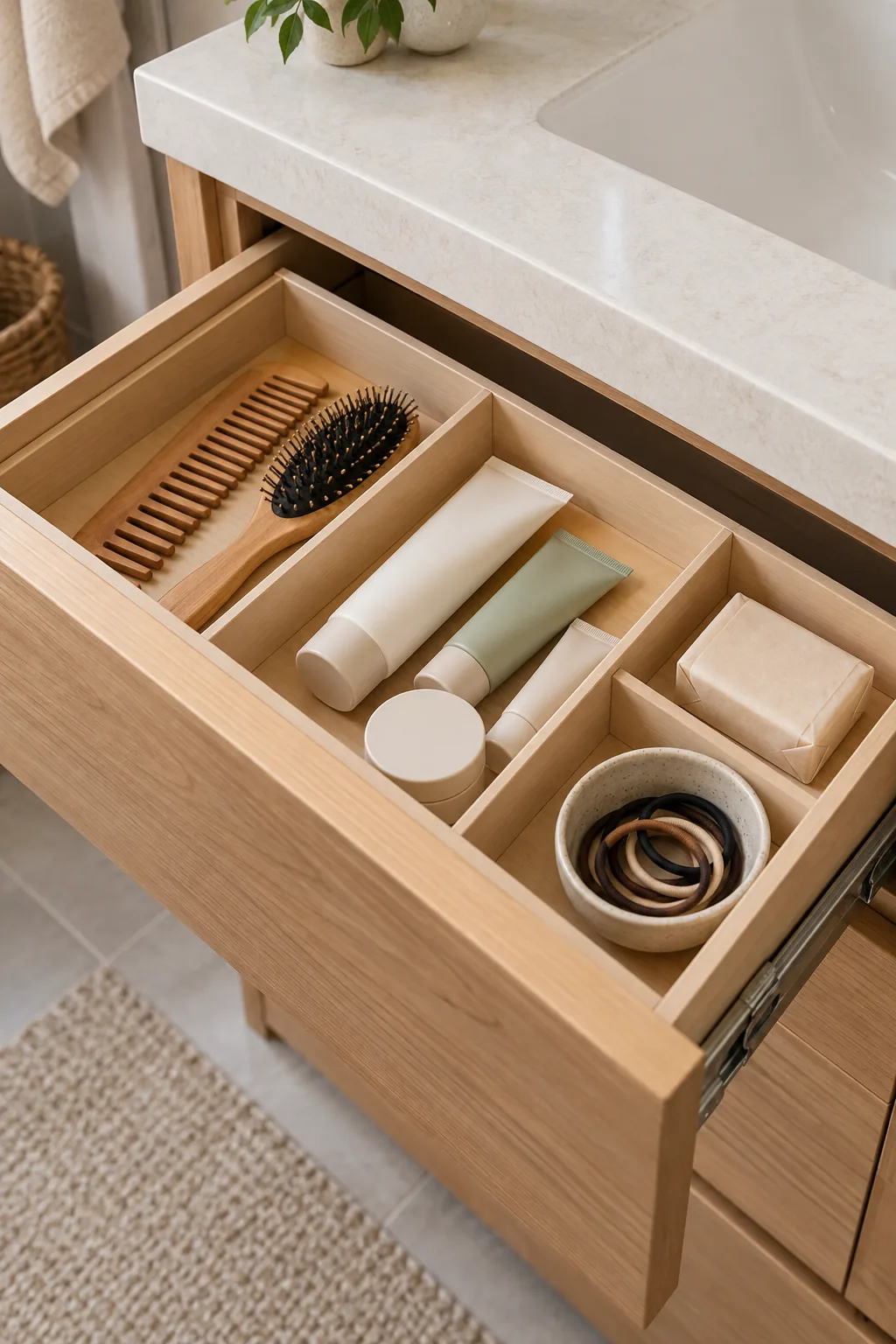
Measure the actual drawer, choose shallow removable organisers and keep everyday grooming items visible without blocking closure or plumbing.
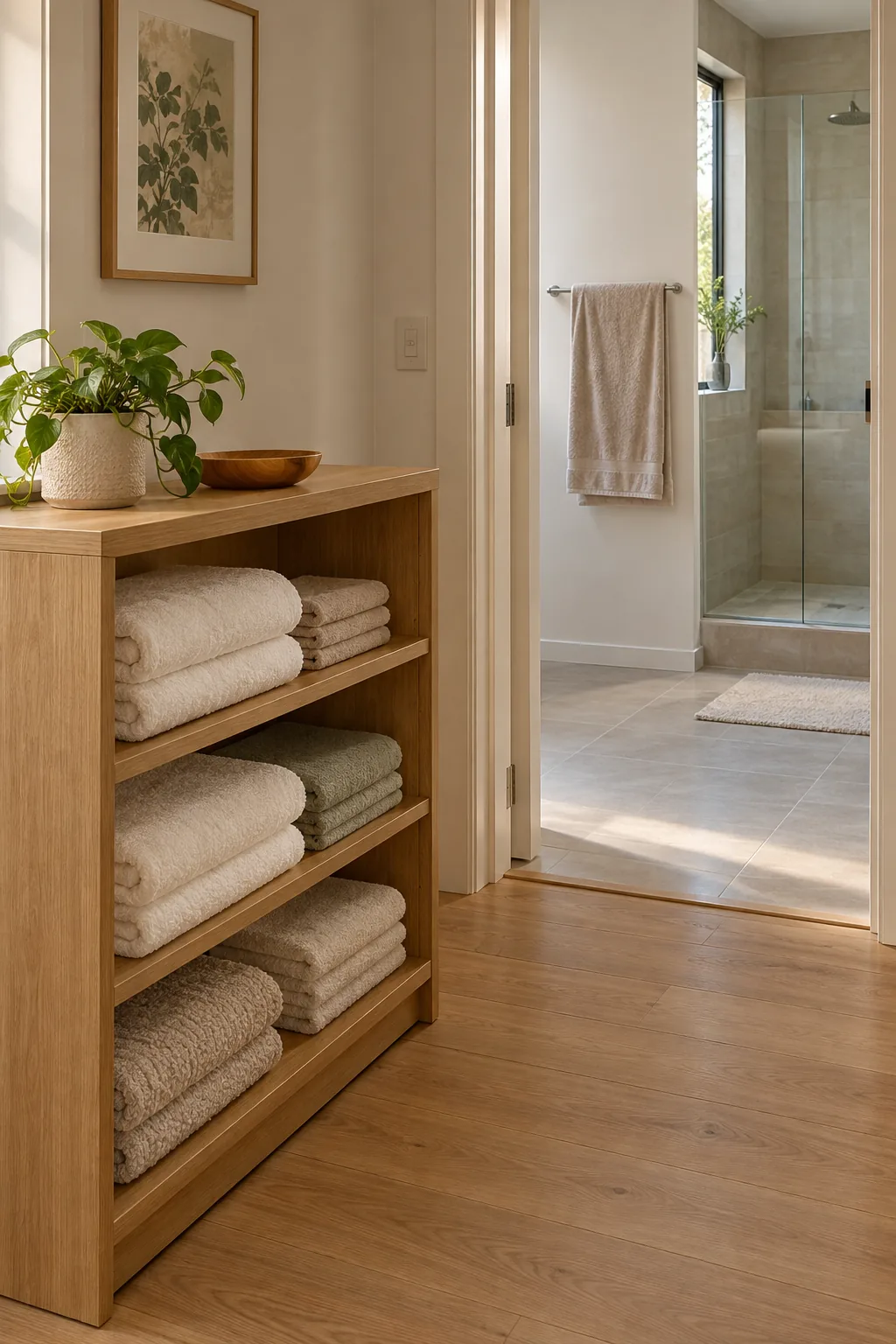
Choose reachable dry towel storage, separate clean reserves from used towels and build a practical wash-and-return routine.
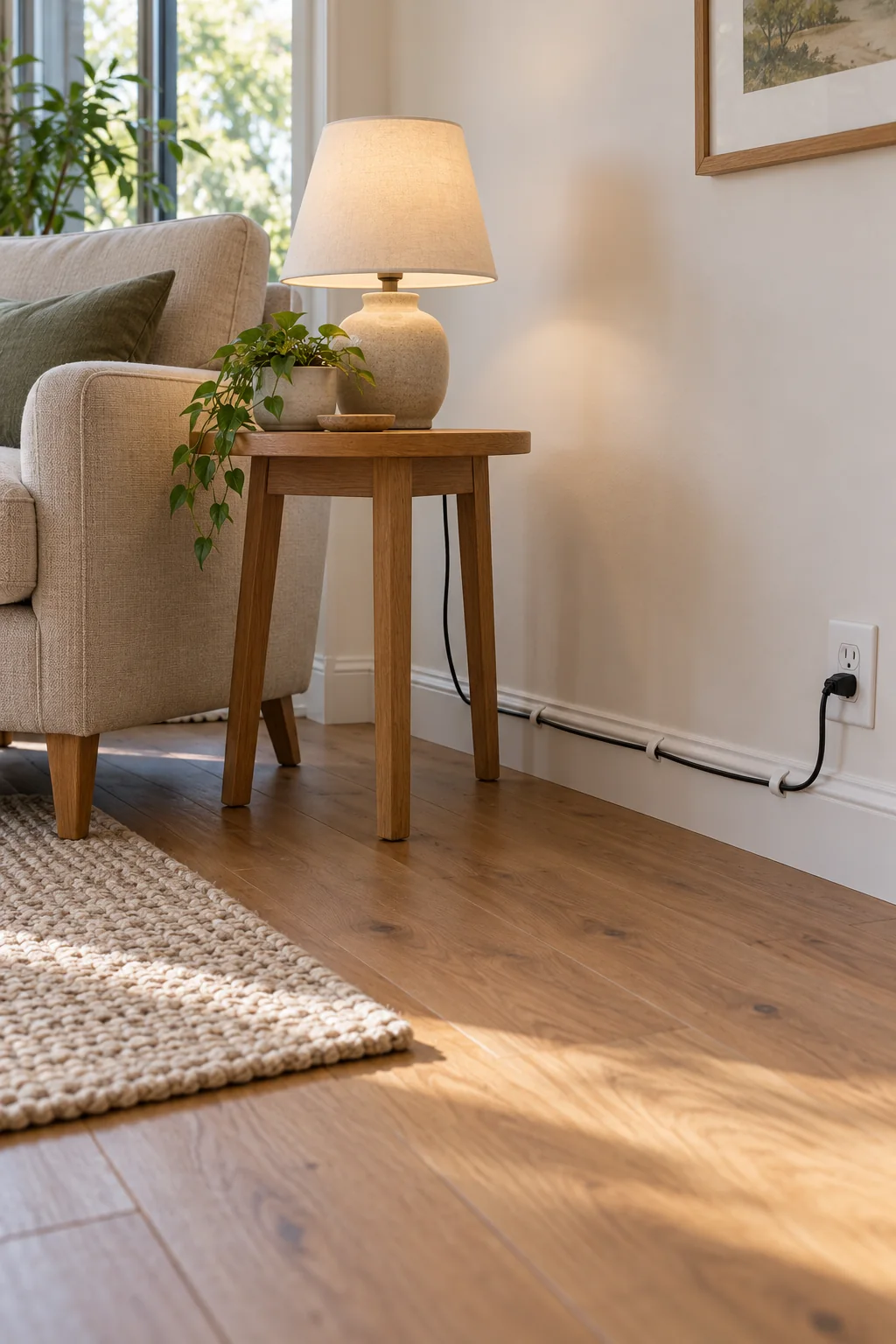
Plan reachable living room cable routes, lamp positions and media-console access without pinching cords or running them beneath rugs.
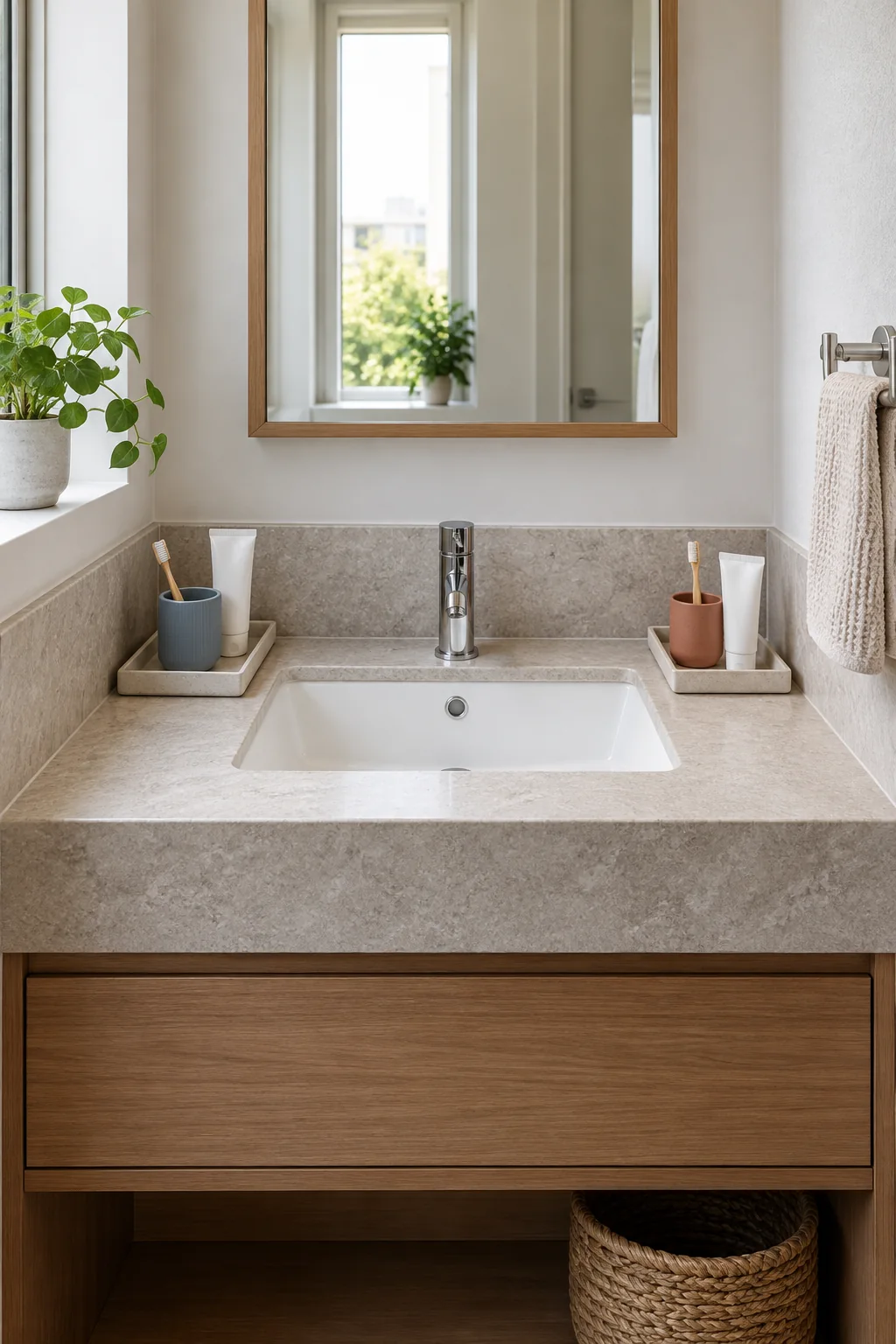
Plan personal daily kits, a reachable sink and a realistic shared bathroom reset without covering the counter in organisers.
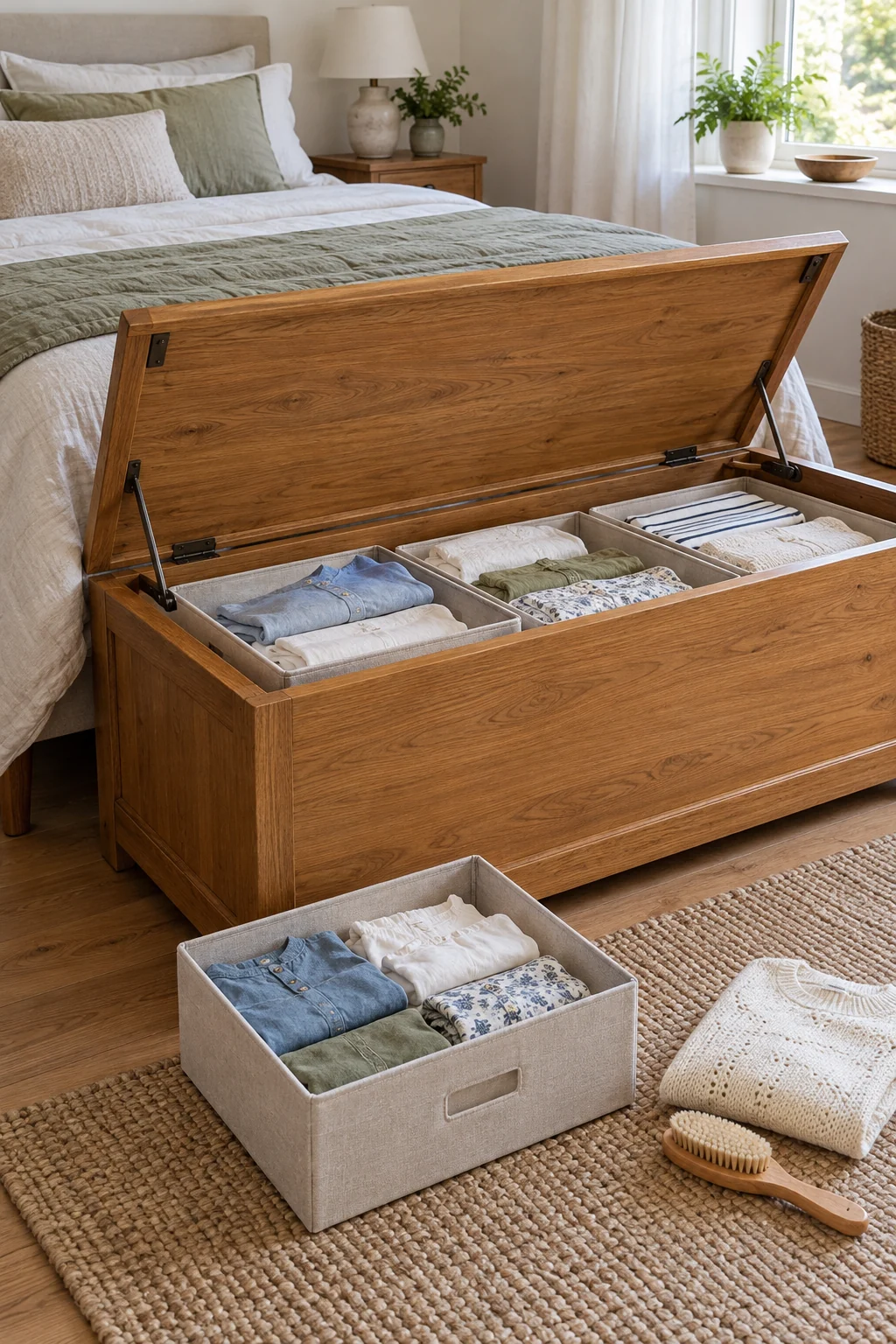
Choose practical seasonal clothing storage, protect garment shape and make the next wardrobe change easier with small reachable containers.
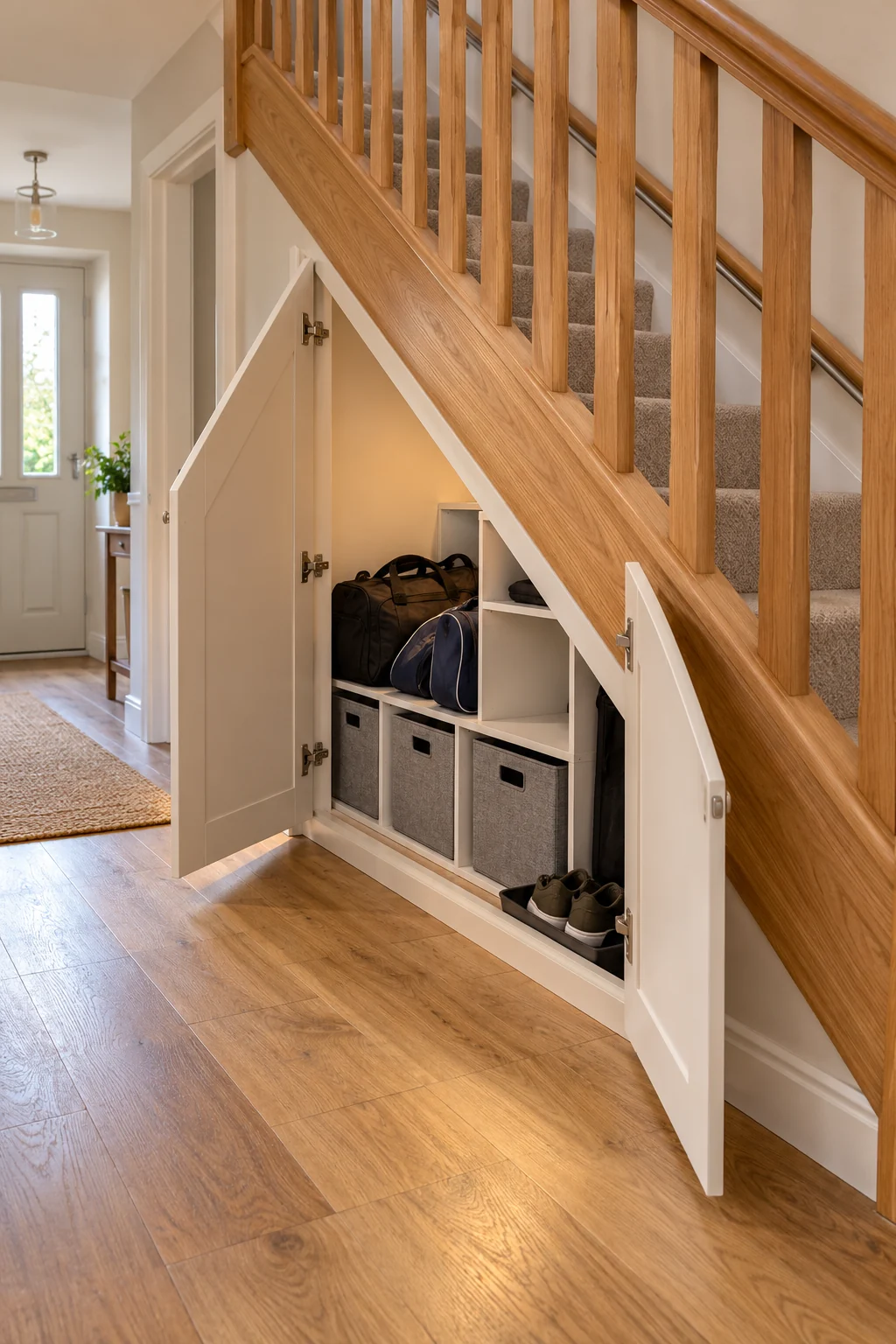
Organise an existing under-stair cupboard with removable shelves or low baskets, without cutting the stair structure or obstructing services.
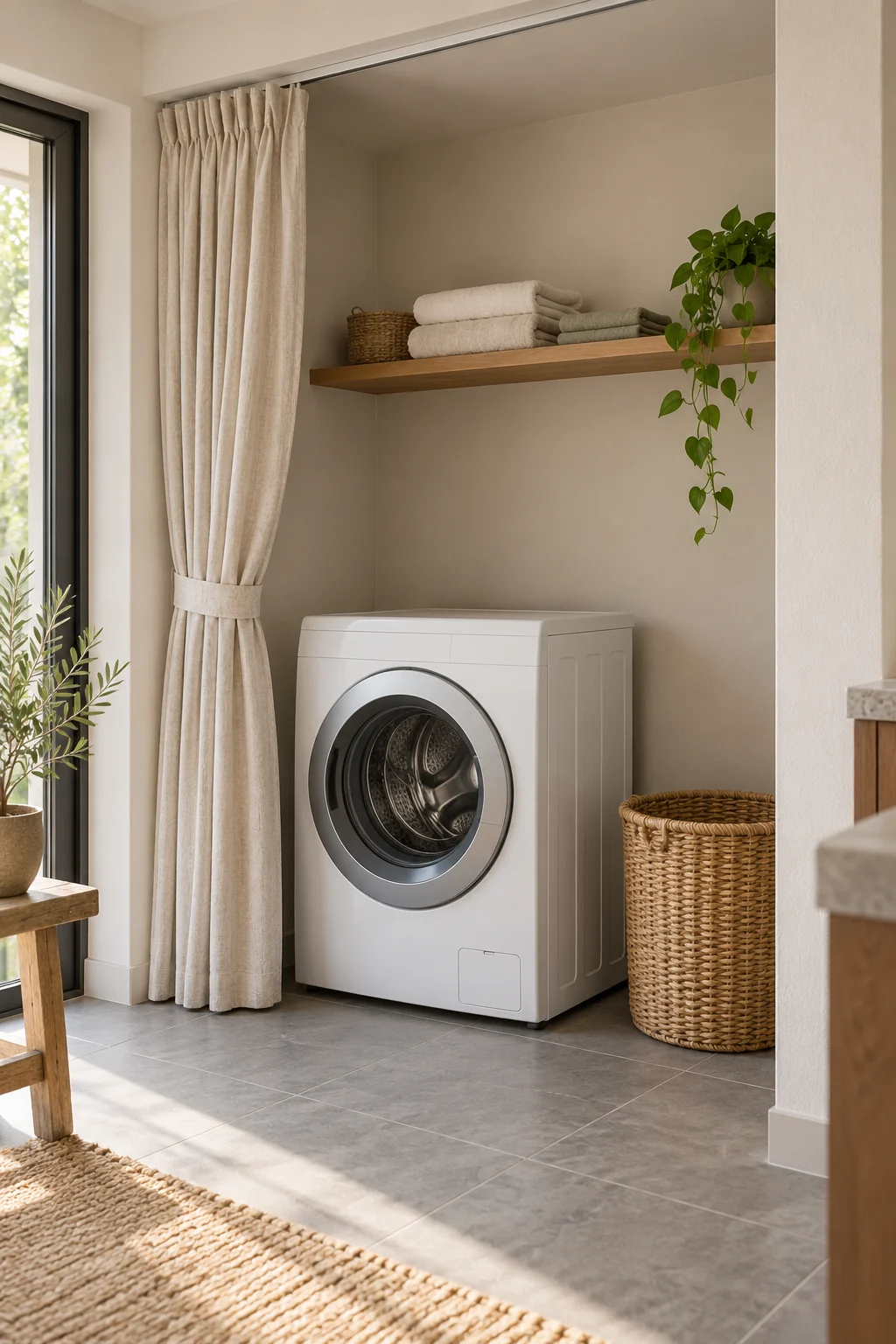
Choose a workable curtain position, sorting area and folding routine without obstructing laundry appliance ventilation or service access.
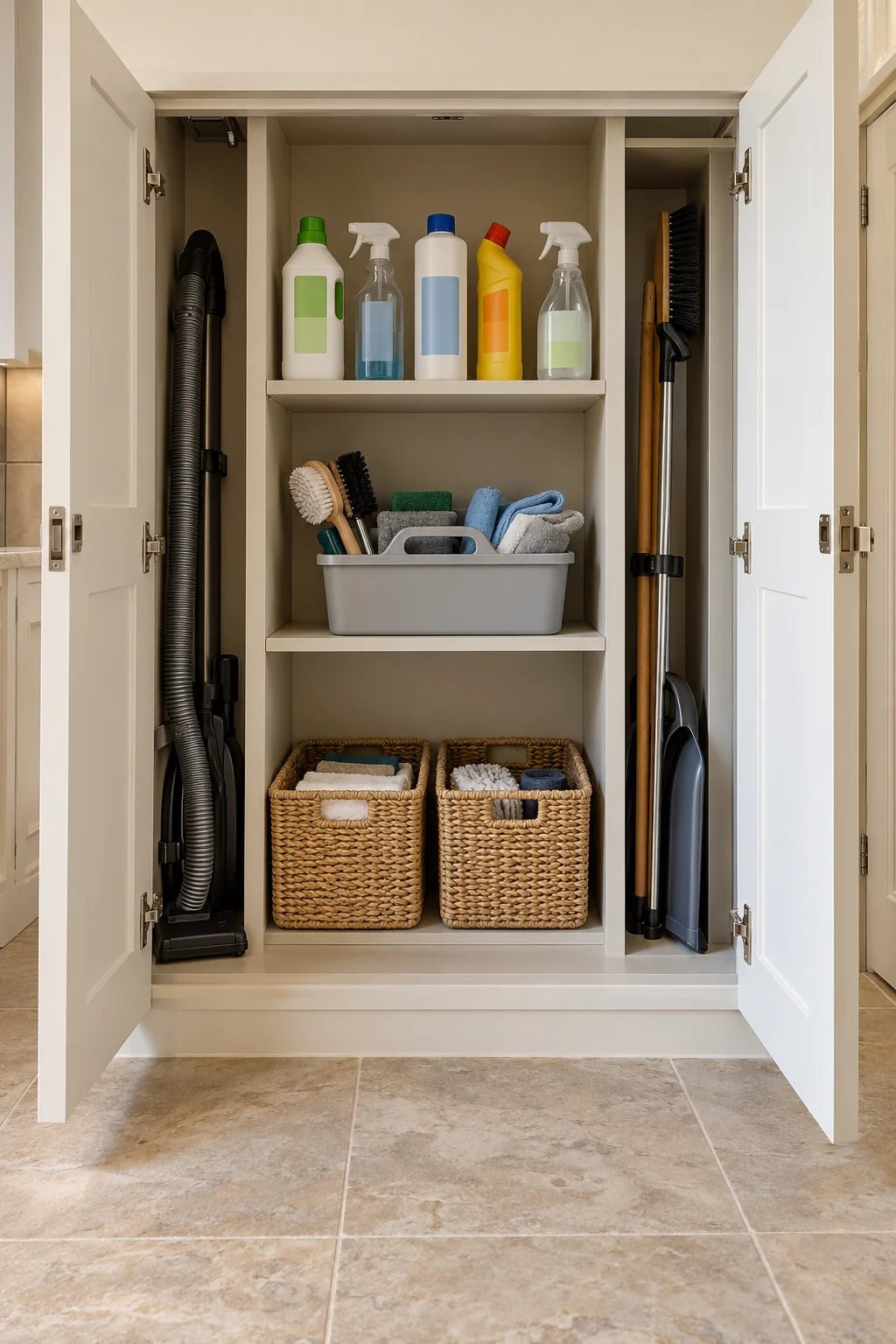
Give cleaning tools, dry cloths and household spares practical homes while preserving product labels, shelf limits and access.
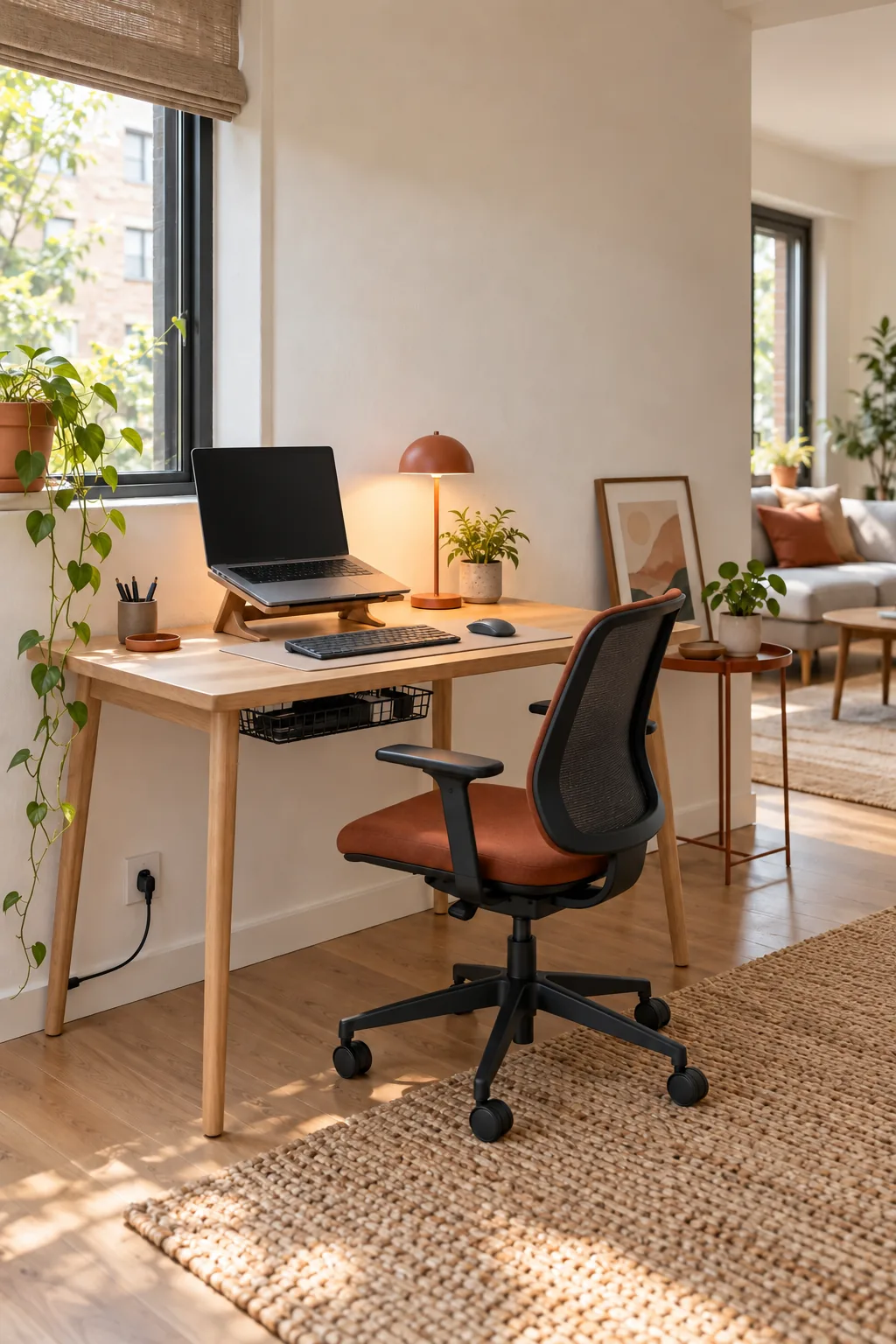
Use properly supported furniture, suitable equipment, accessible power and portable storage to create a no-drill work corner that still fits its user.
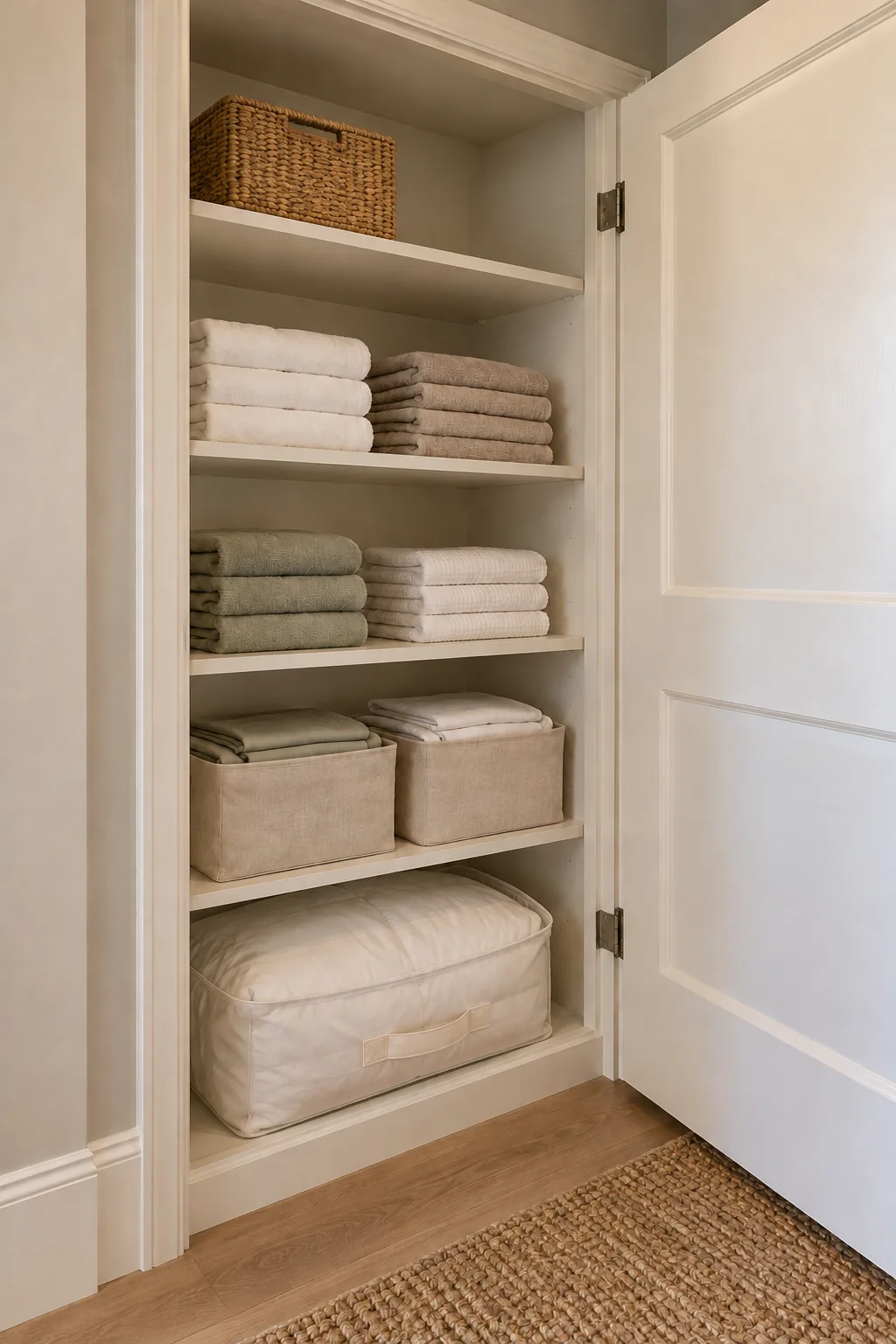
Plan linen storage around real sheet sets, modest towel stacks, shelf depth, dry textiles and a workable laundry return routine.
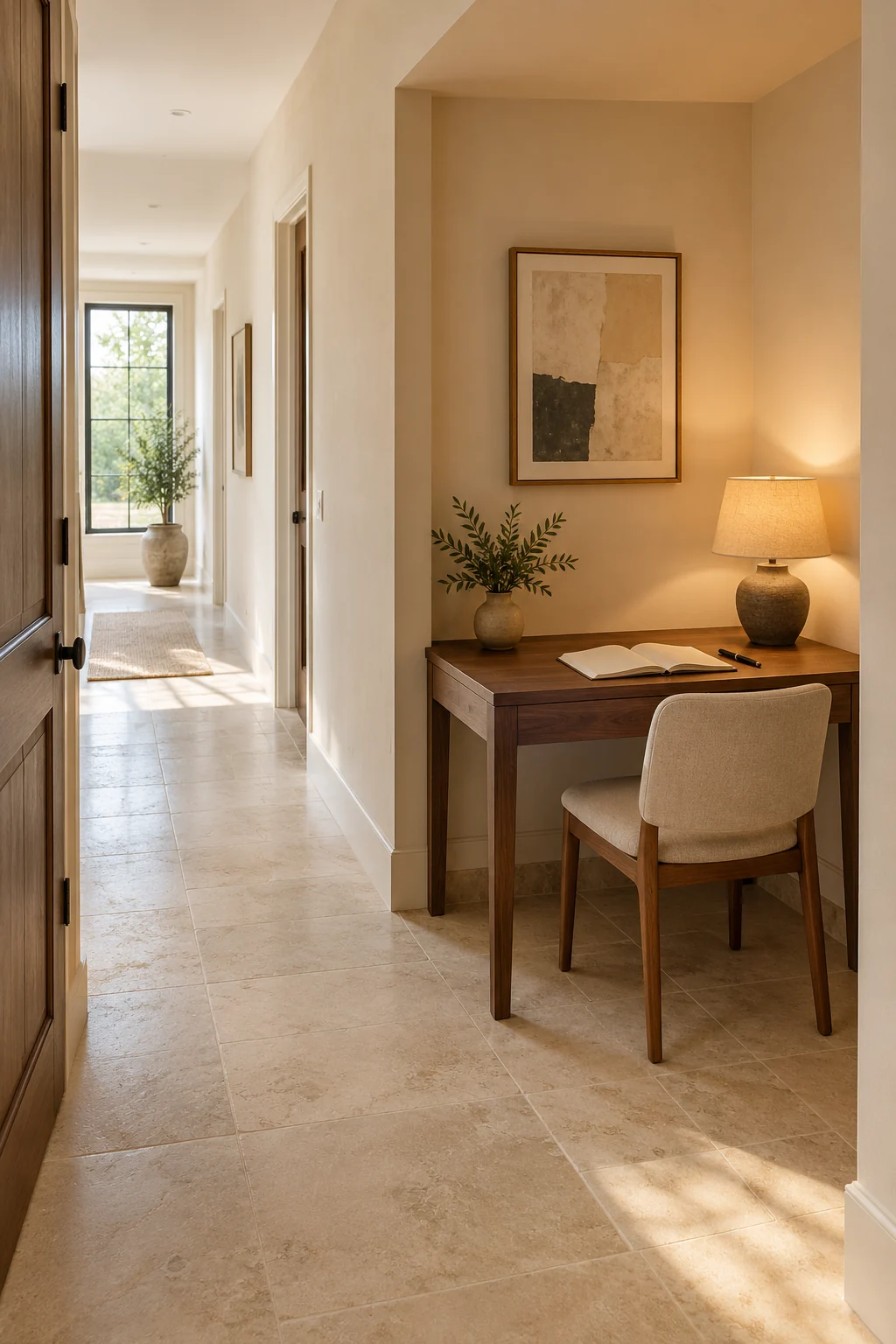
Decide whether a hallway recess fits an occasional writing desk without sacrificing door movement, chair space and the household route.
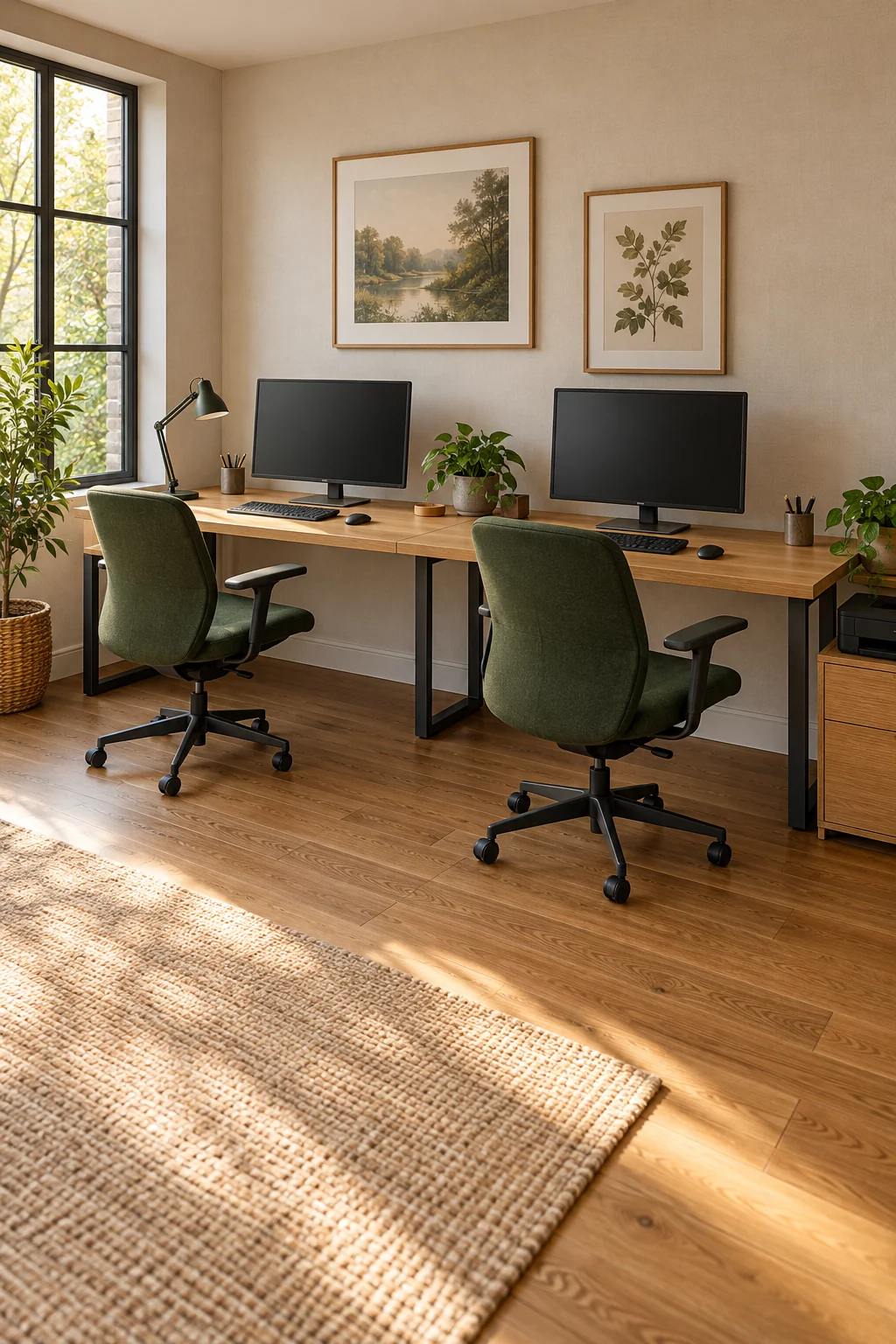
Compare shared side-by-side and separate desk layouts using real task space, individual chair fit, calls, light and the routes behind occupied seats.
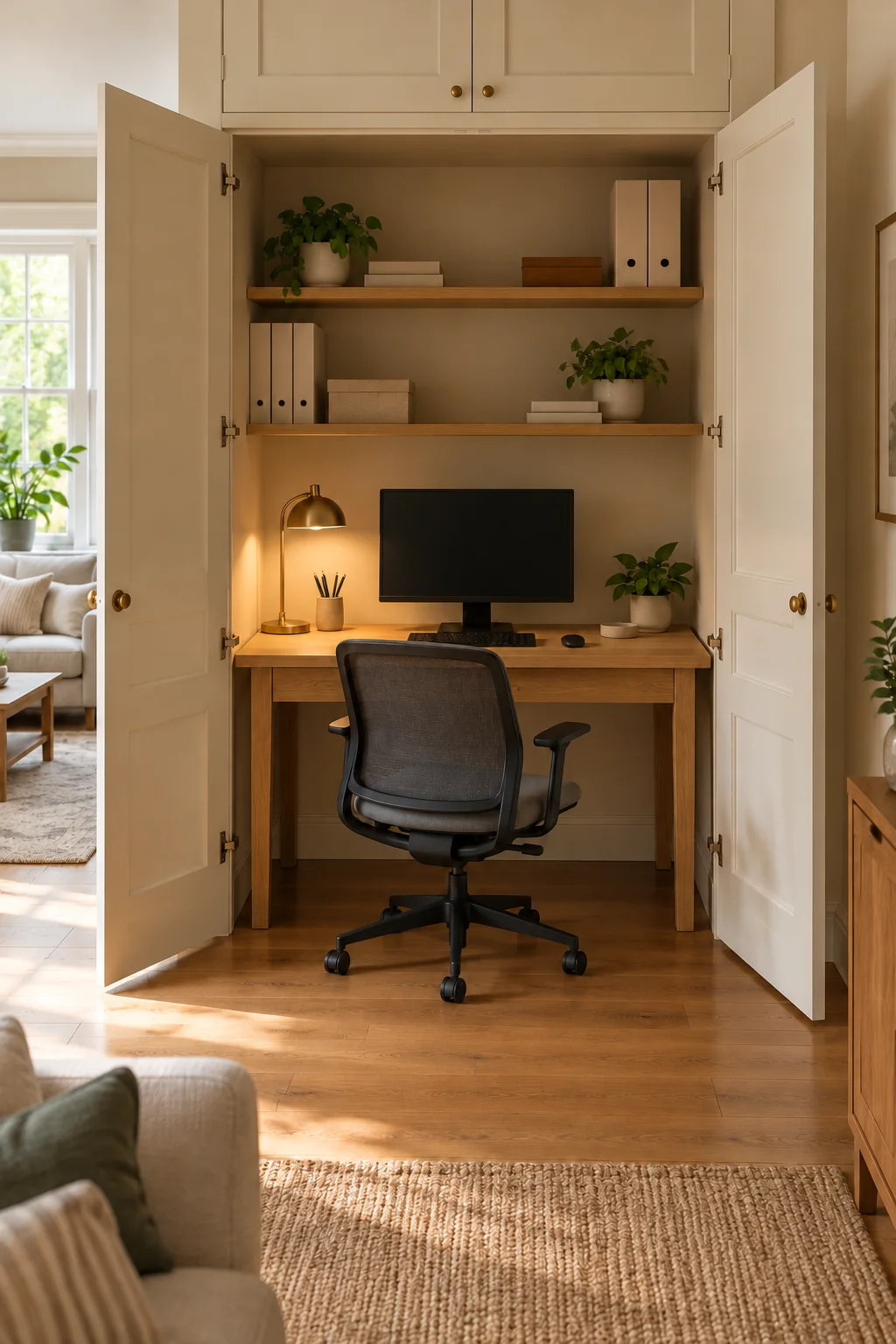
Plan a cupboard office around desk depth, open doors, knee space, equipment ventilation and a safe end-of-day closure.
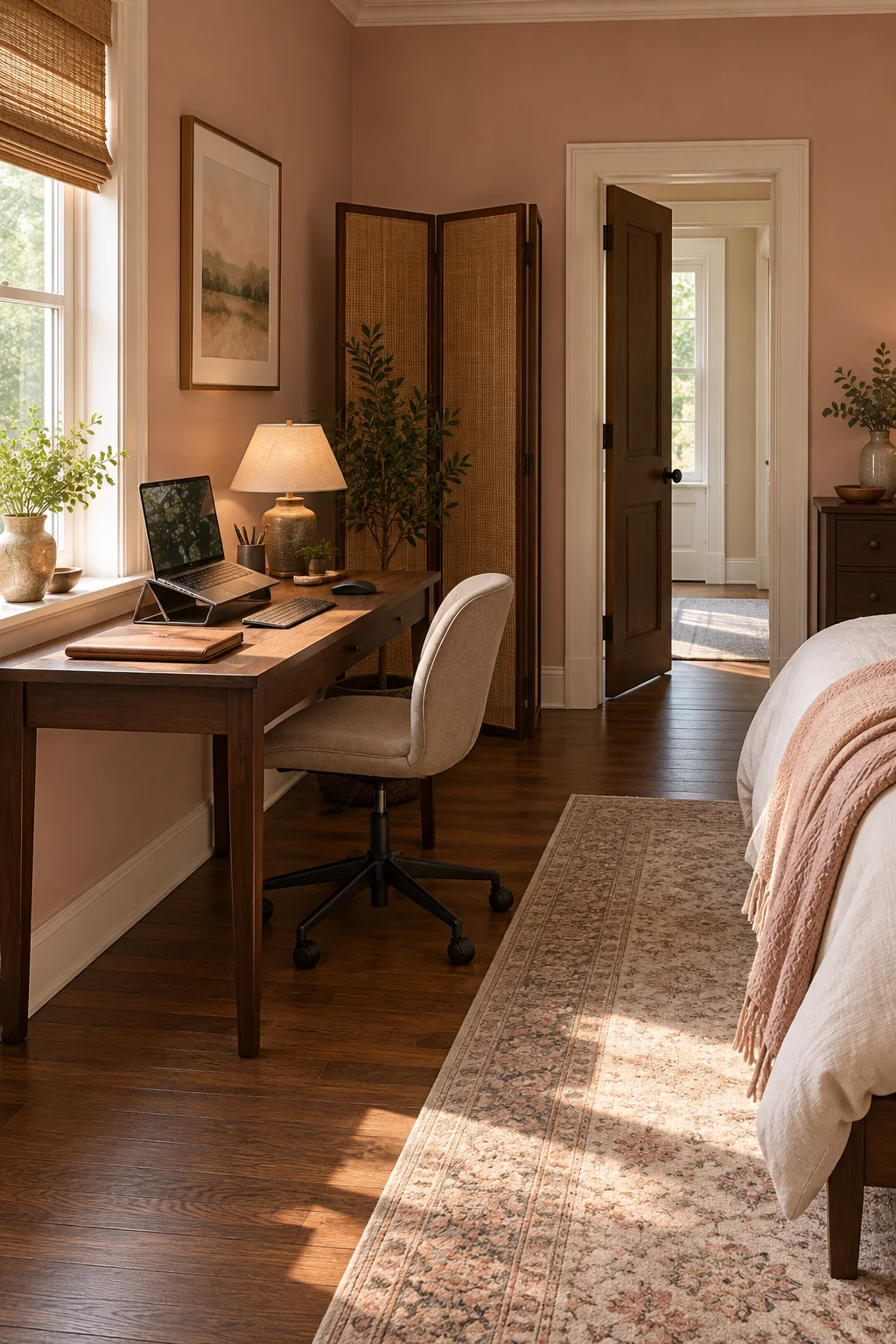
Separate working and sleeping uses with a tested desk position, portable papers, clear routes and a practical end-of-day bedroom reset.
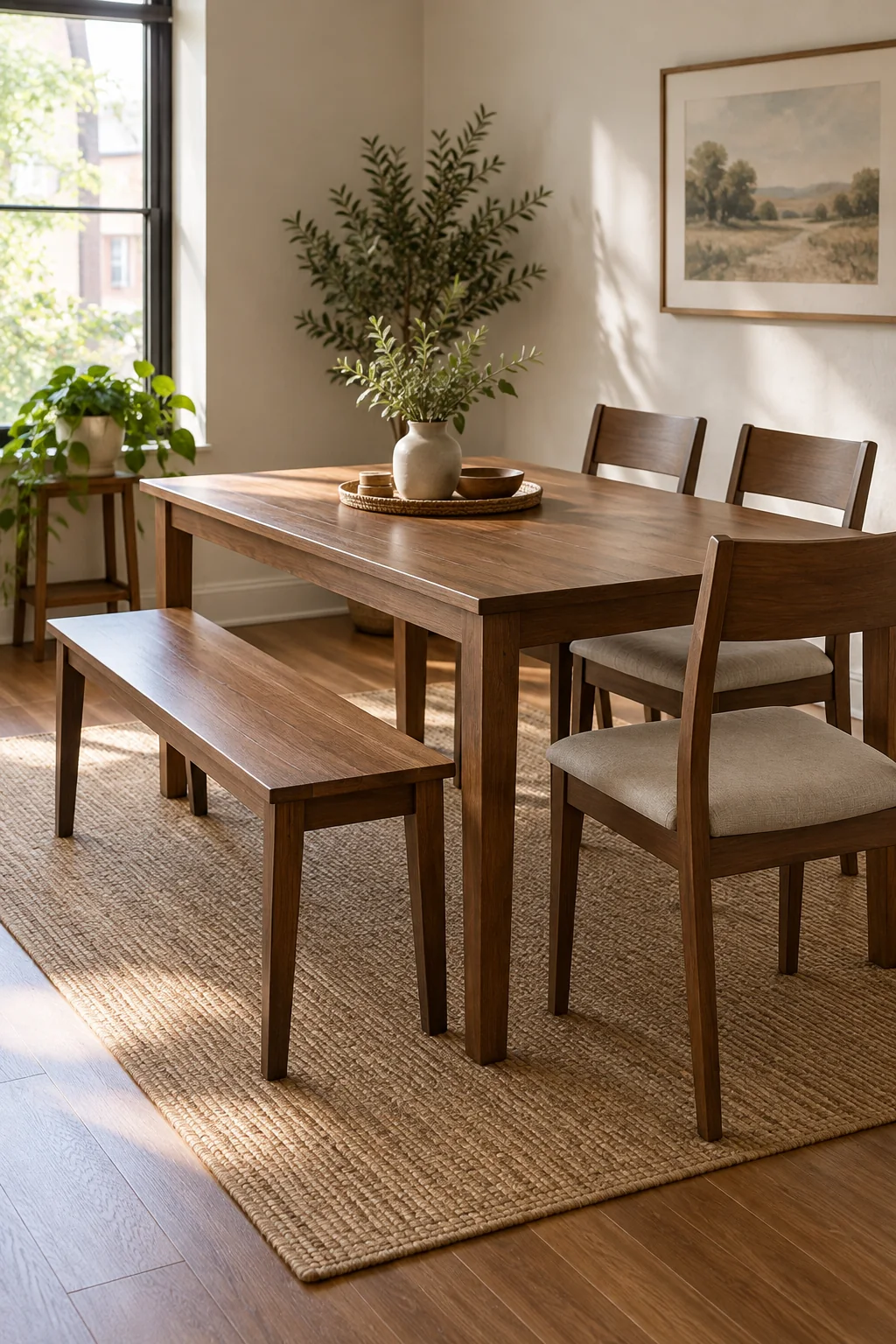
Test bench entry, table-leg clearance, seat height and the parking route before using a movable bench in a rented dining area.
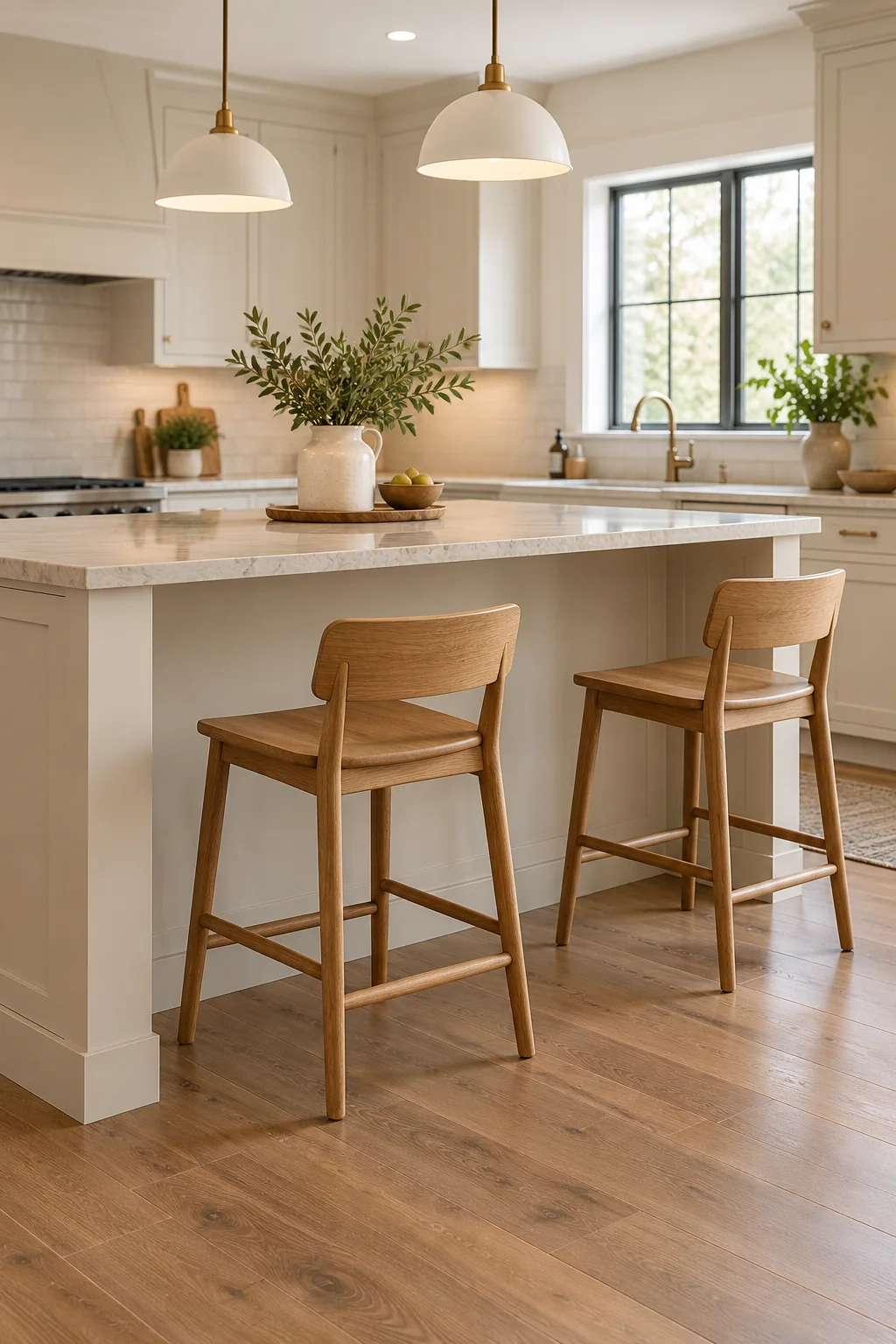
Measure seat-to-counter space, underside obstructions, overhangs, foot support and occupied stool positions before choosing kitchen seating.
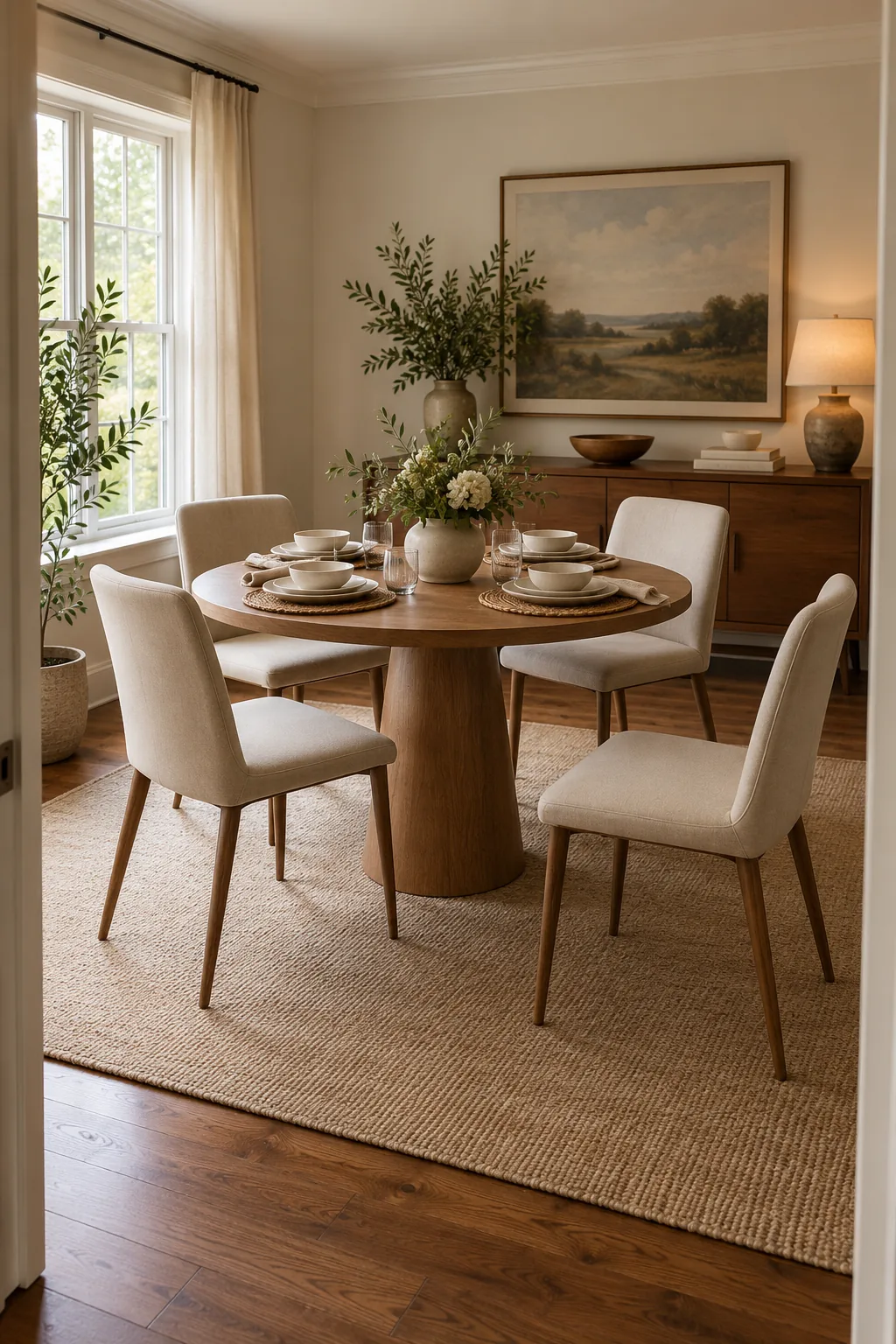
Compare round, rectangular and extendable dining tables using occupied chairs, table supports and the routes your household actually needs.
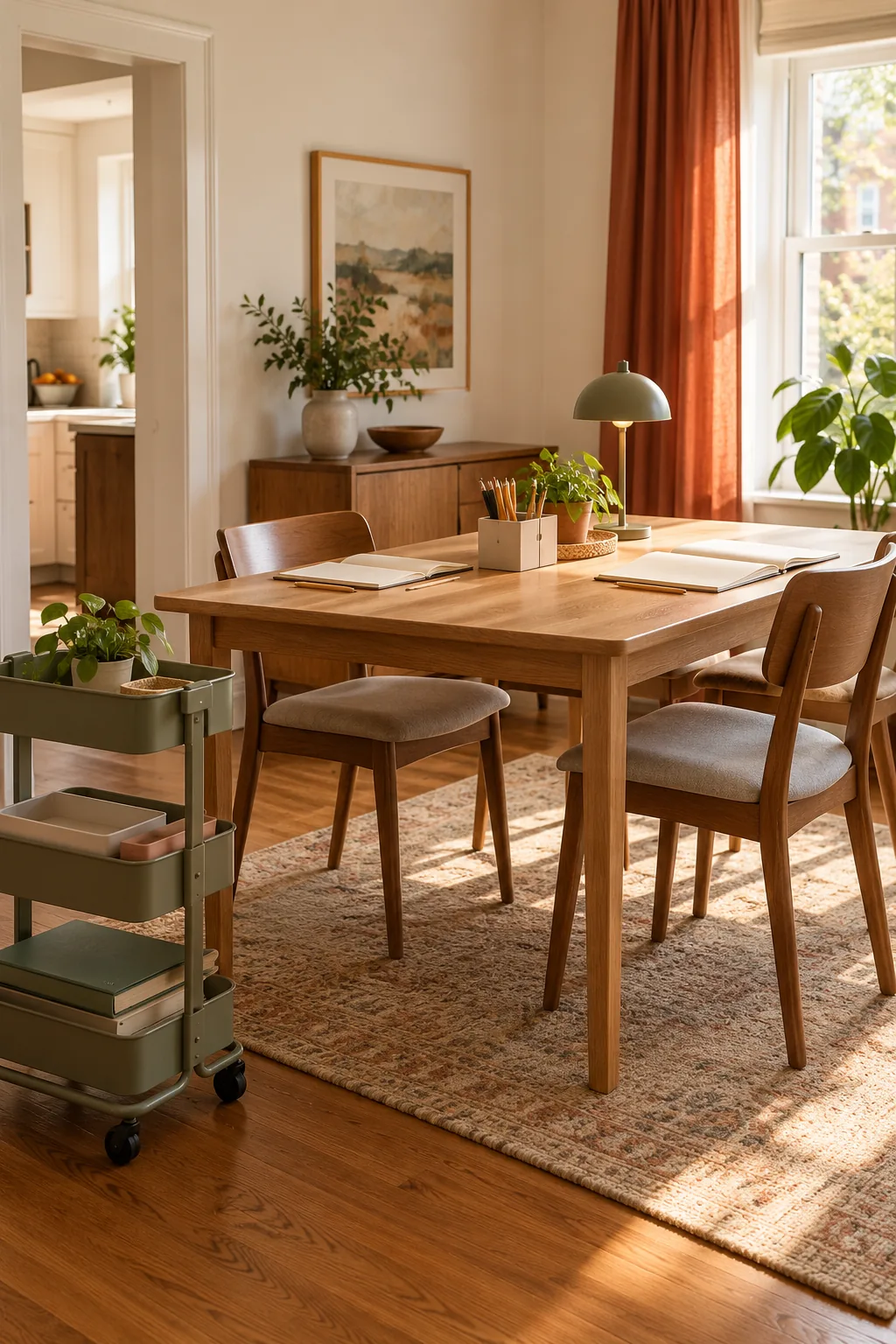
Create a practical homework-to-meal reset using portable trays, suitable seats, clear food surfaces and a storage destination for unfinished work.
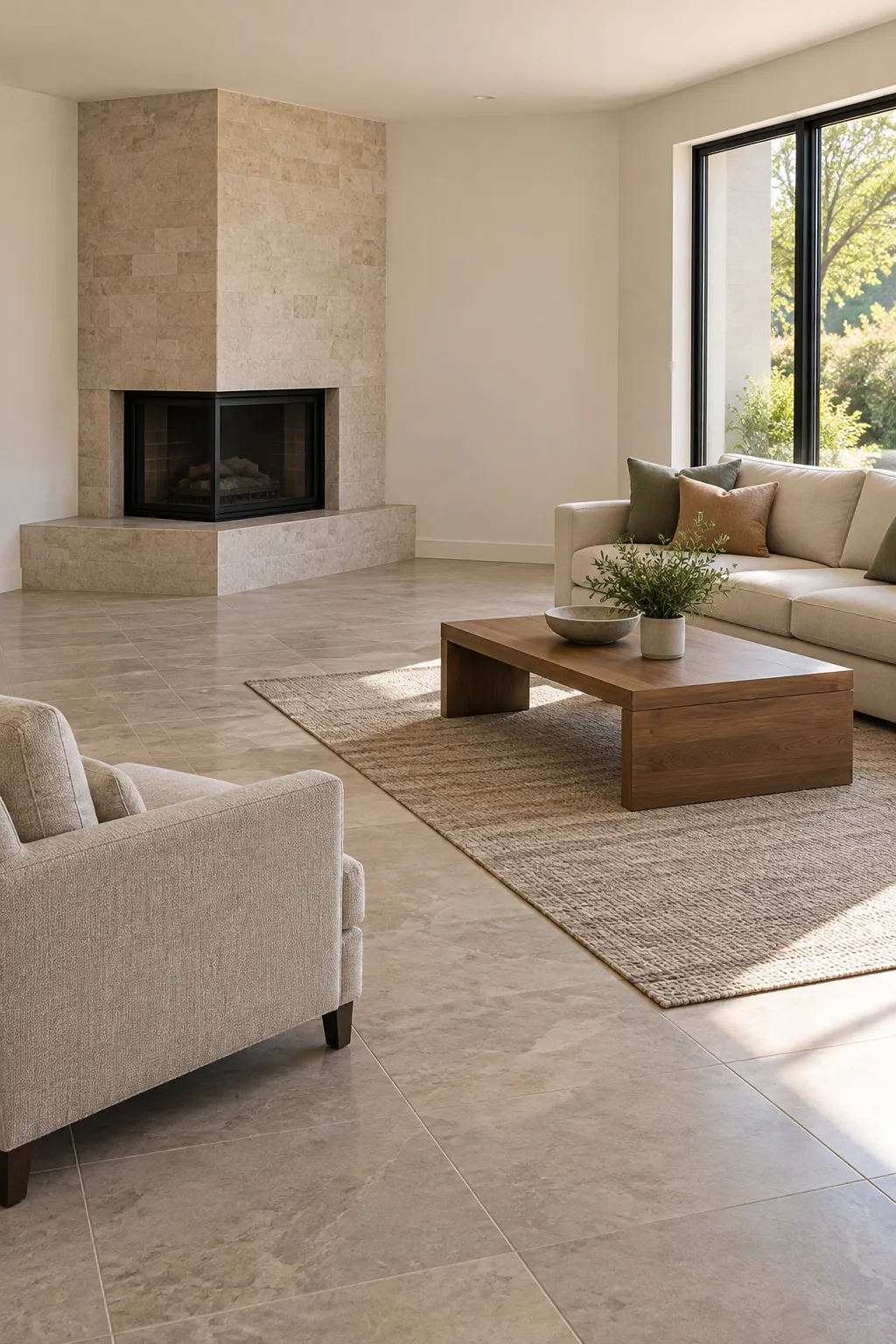
Keep appliance-specific clear space separate from seating and compare a straight-wall sofa with a conversation group beside a corner fireplace.
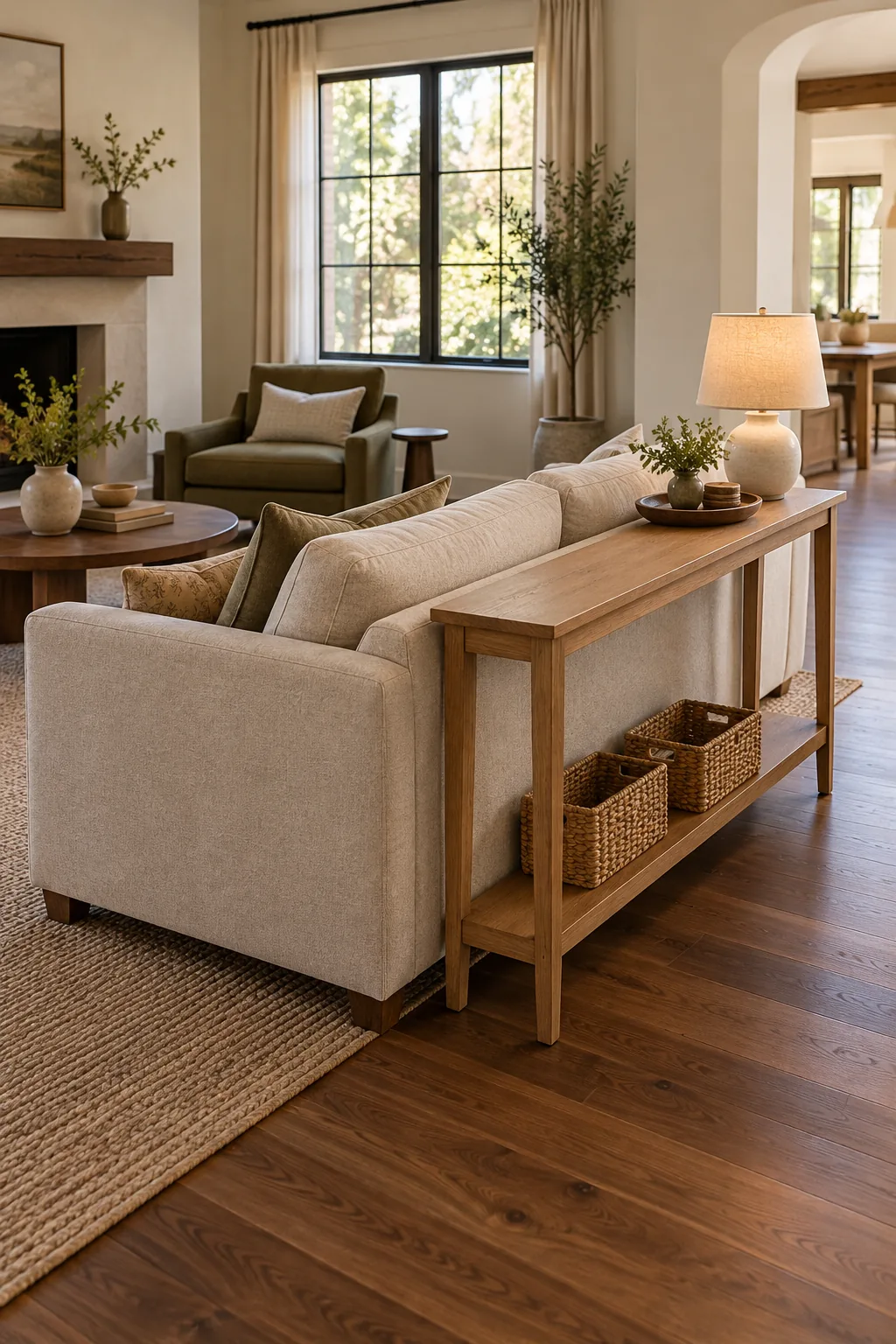
Choose between a rear-access console and a narrow sofa-back surface by measuring circulation, openings, stability and what you actually need to store.
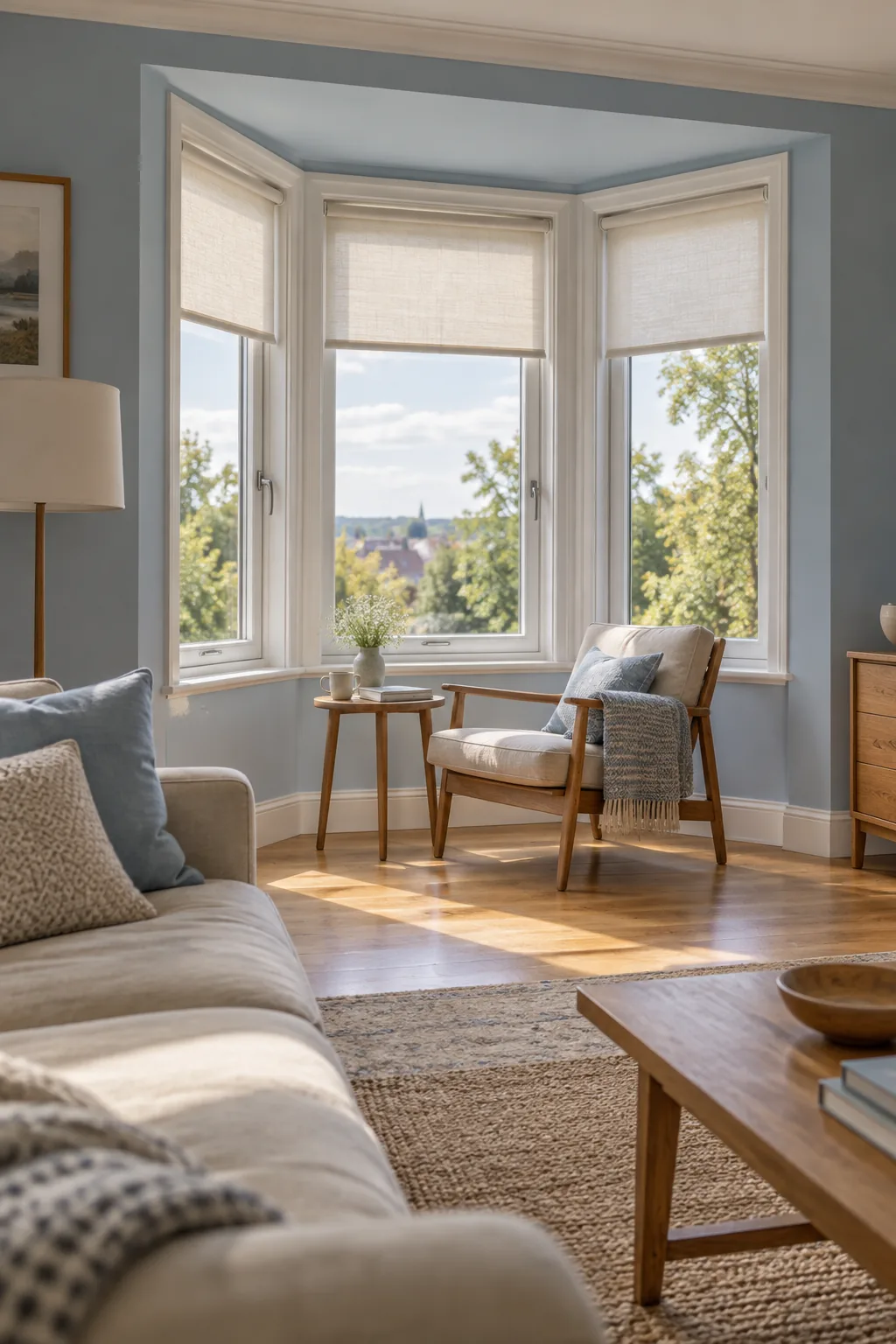
Compare a single reading chair with a small table in a bay window, accounting for its angled walls, chair movement, window operation and the main room.
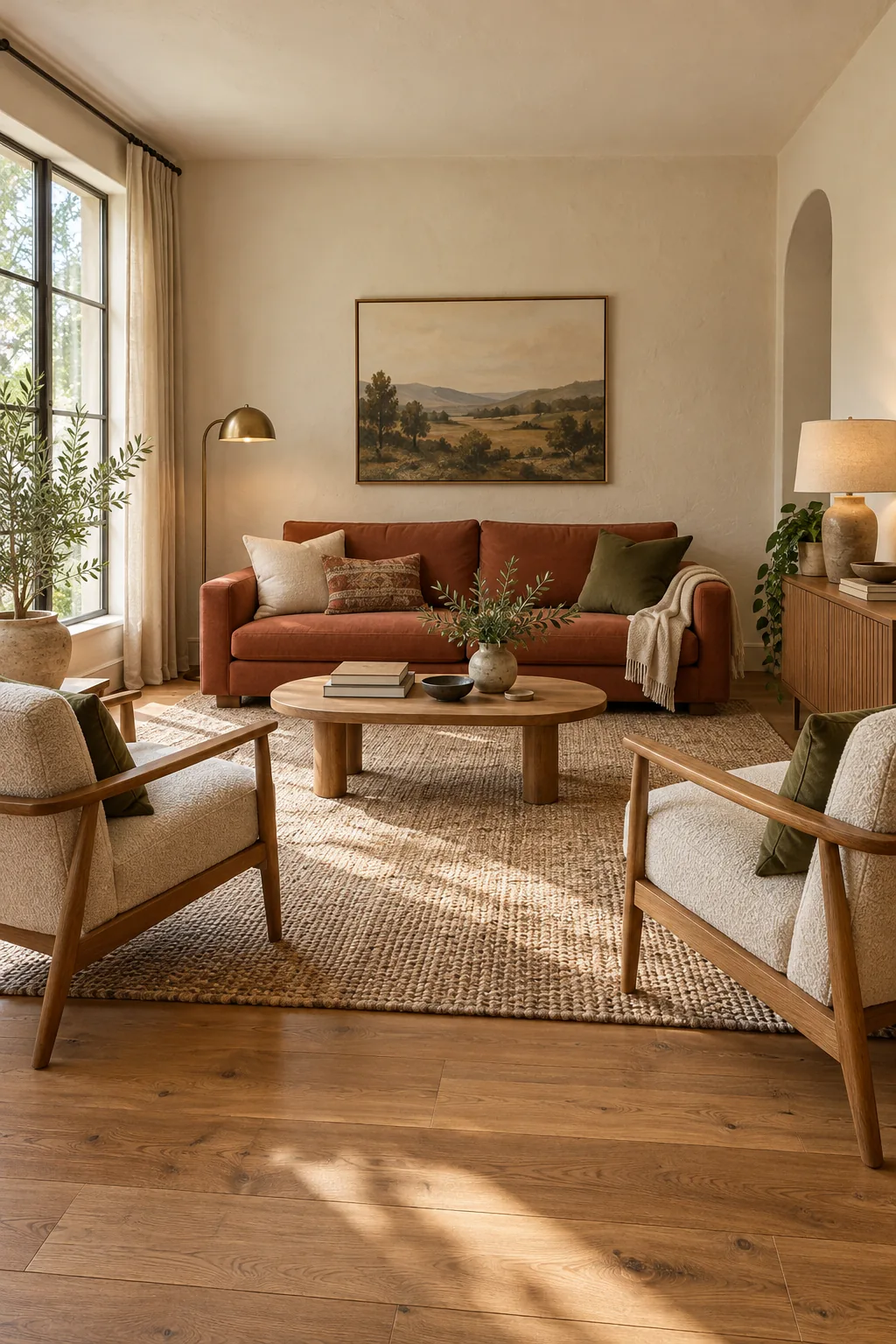
Arrange face-to-face seating, useful drink surfaces, reading light and an optional game table in a living room without a screen focal point.
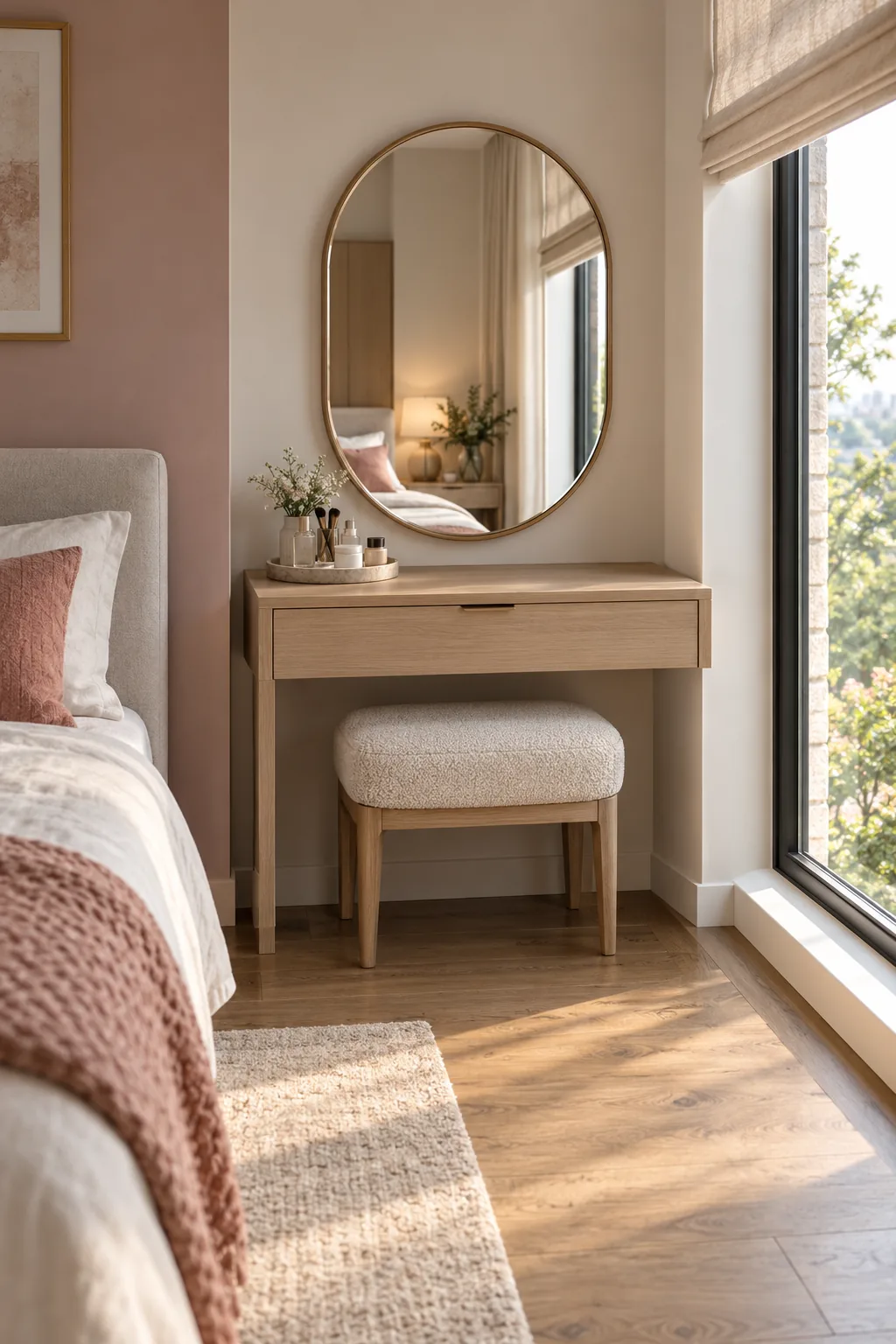
Choose a seated or standing dressing corner by your routine, then plan mirror height, light, chair space and compact daily storage.
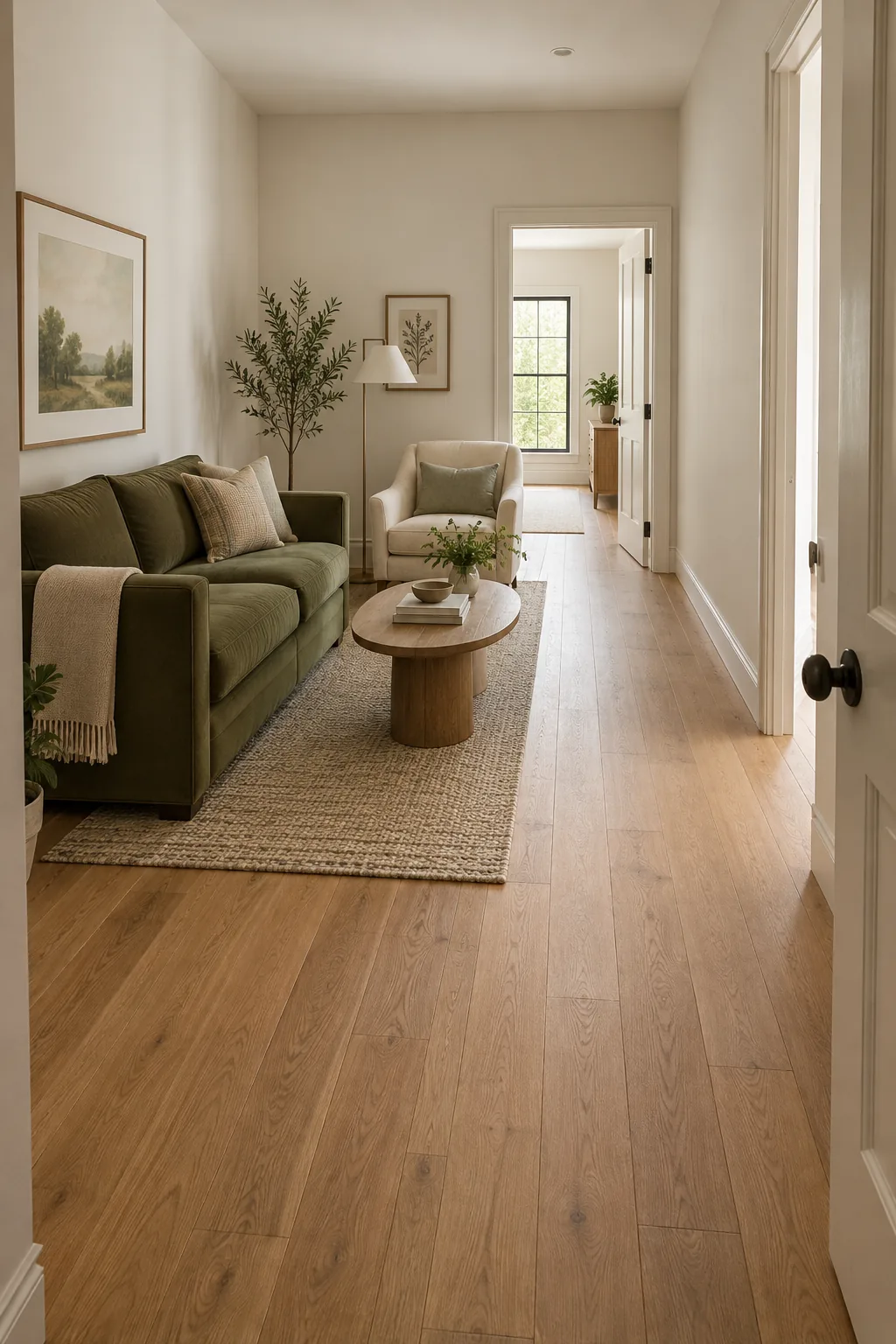
Map the route between two living-room doors, then fit useful seating, table access and storage without turning the room into a furniture obstacle course.
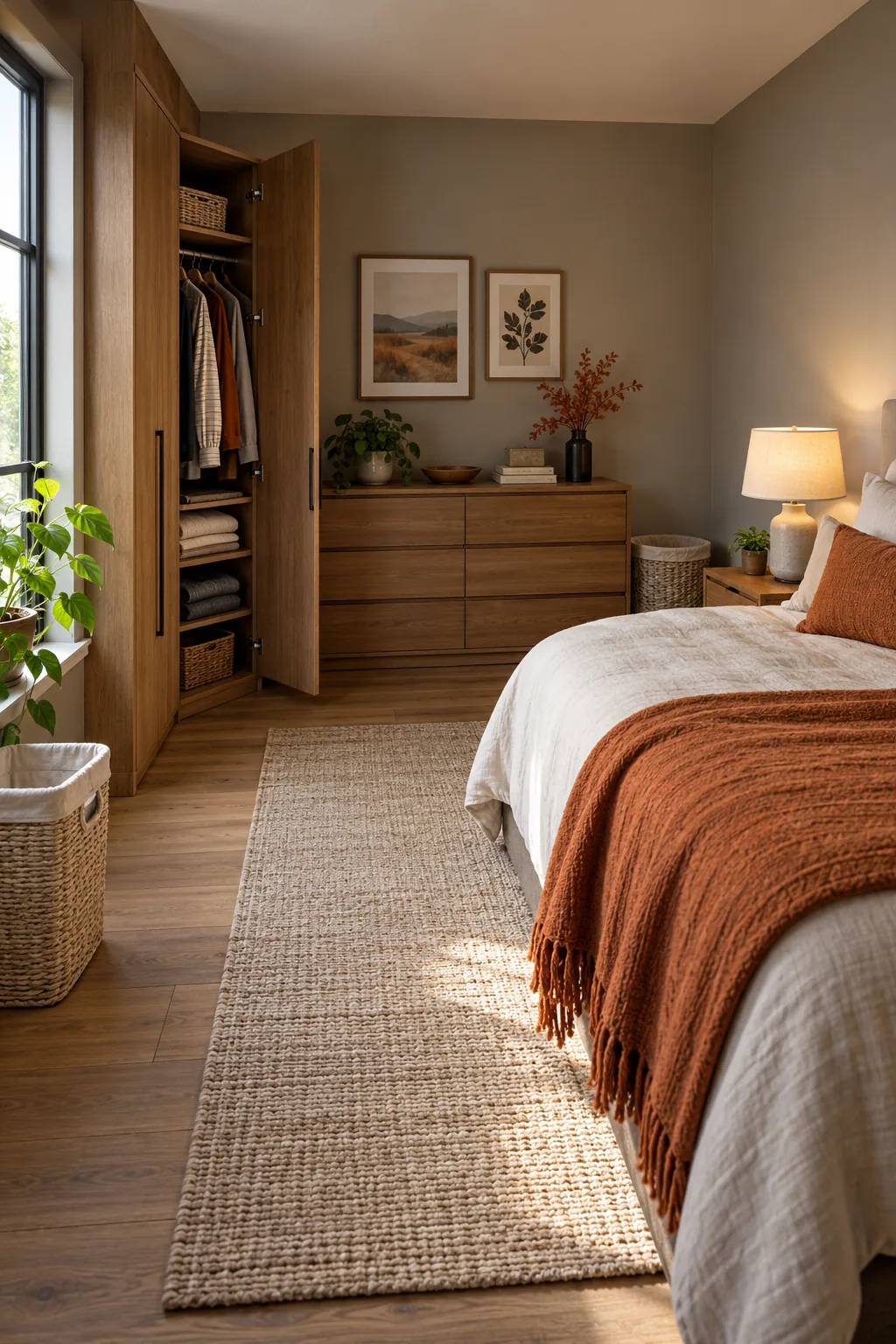
Divide a shared bedroom by real clothing needs, access times and daily routines, with two practical arrangements and a fair storage review.
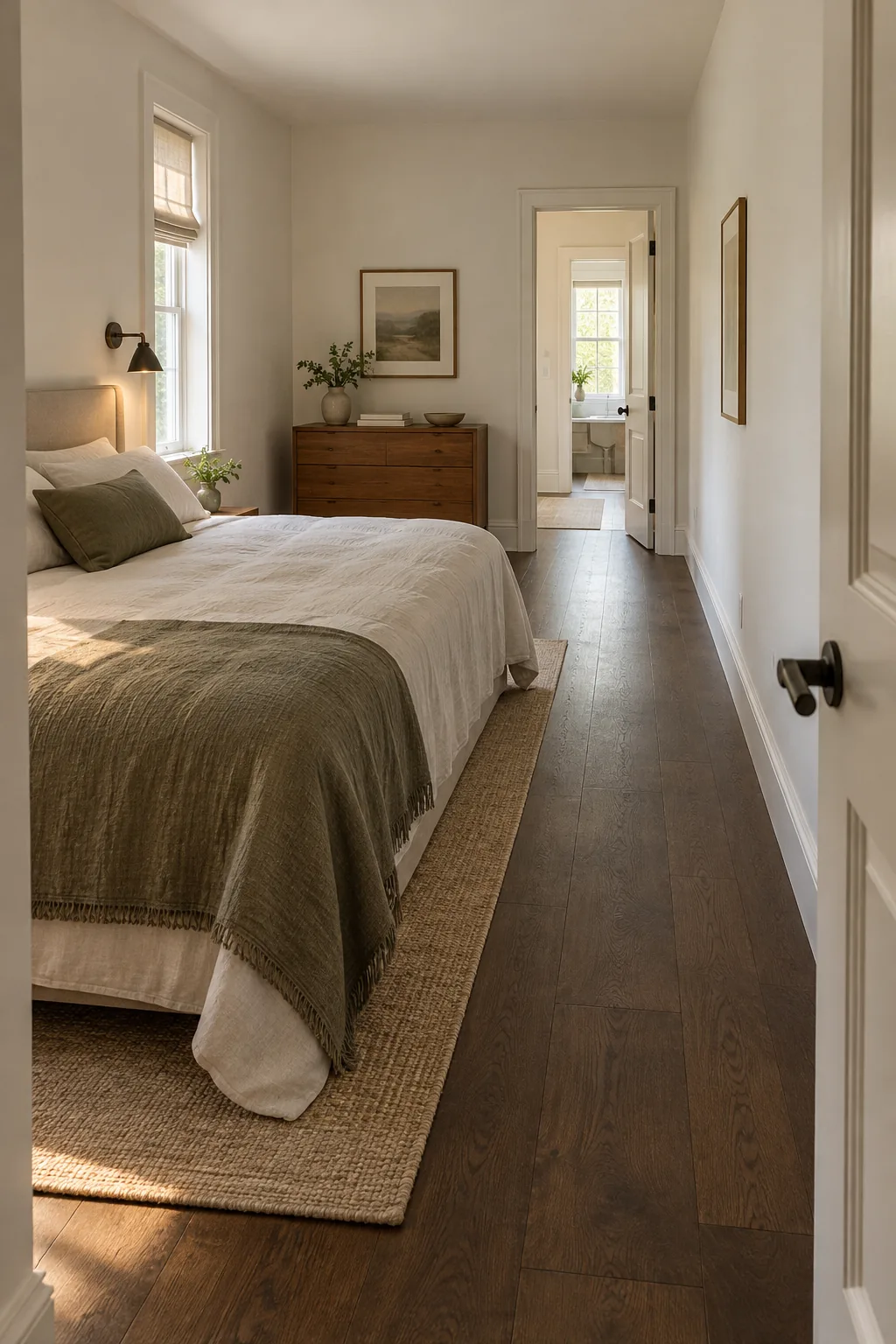
Keep a continuous route through a narrow bedroom while planning the bed, drawer access and privacy around two working doorways.
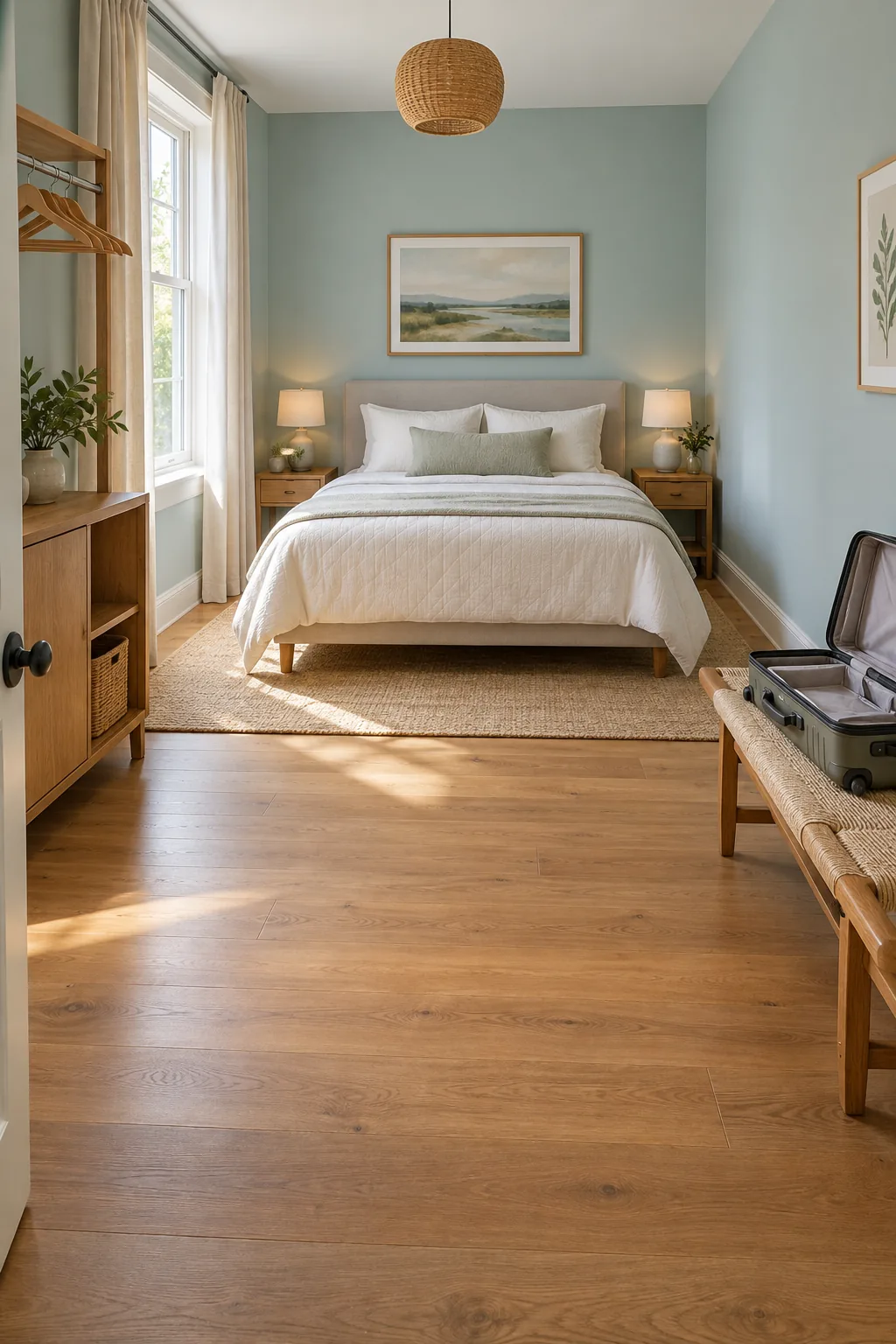
Plan a guest bedroom with a usable suitcase surface, genuinely empty clothes storage, reachable lighting and a simple between-visits reset.
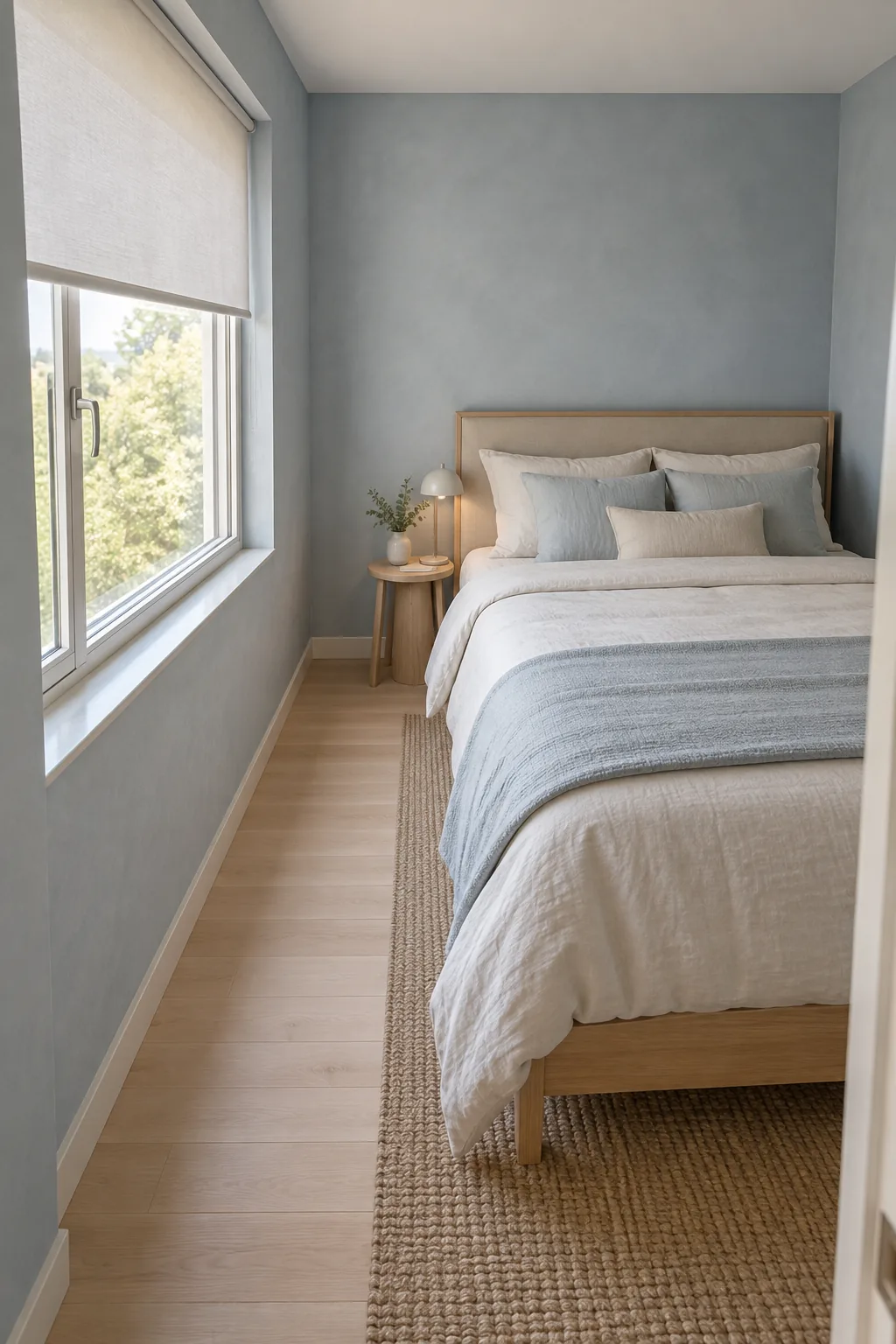
Compare a side-wall bed with a low headboard beneath a window, and check blind controls, opening space, light and the daily ventilation route.
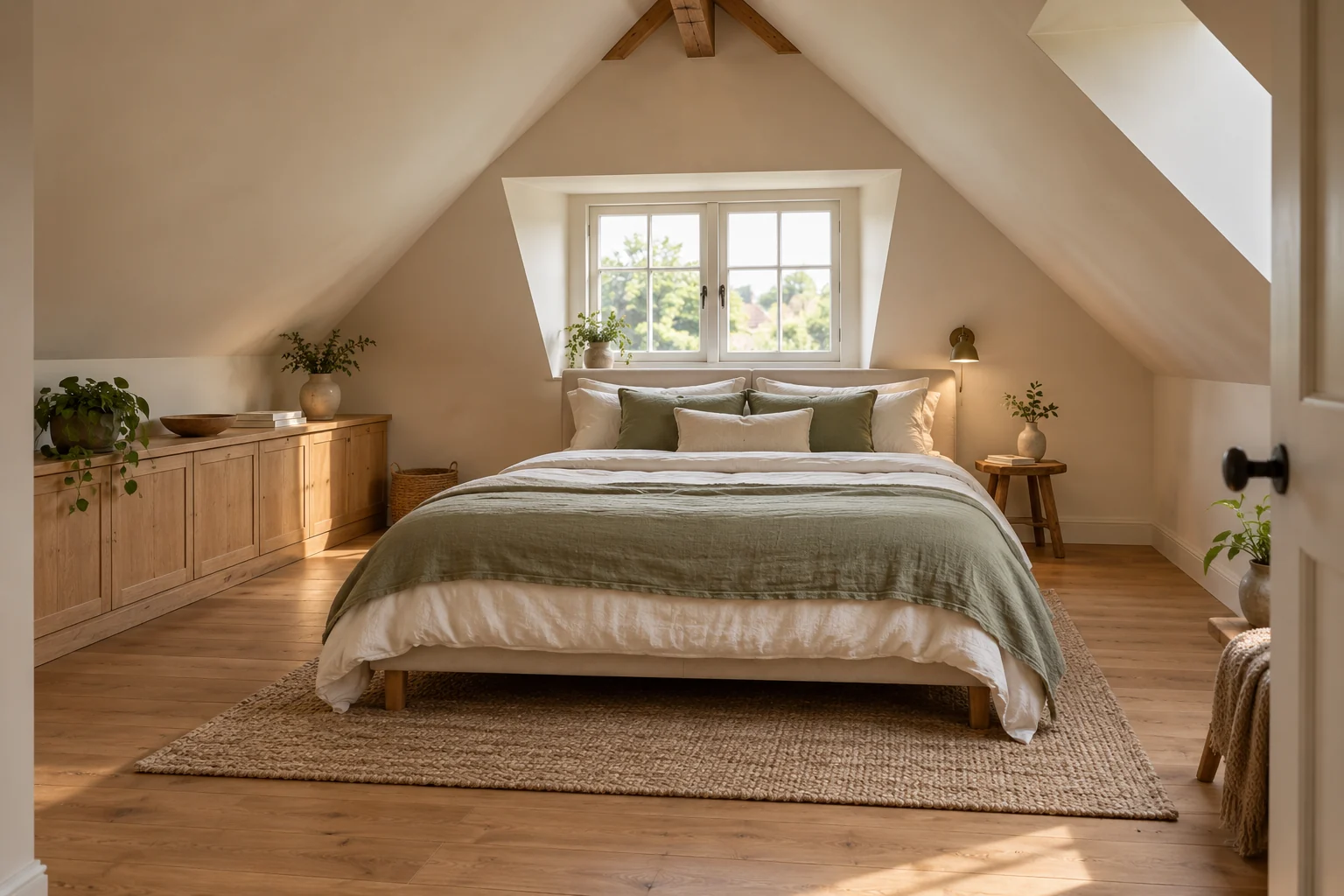
Compare ten illustrated attic bedroom arrangements with practical headroom, storage-opening and everyday-access checks before changing your room.
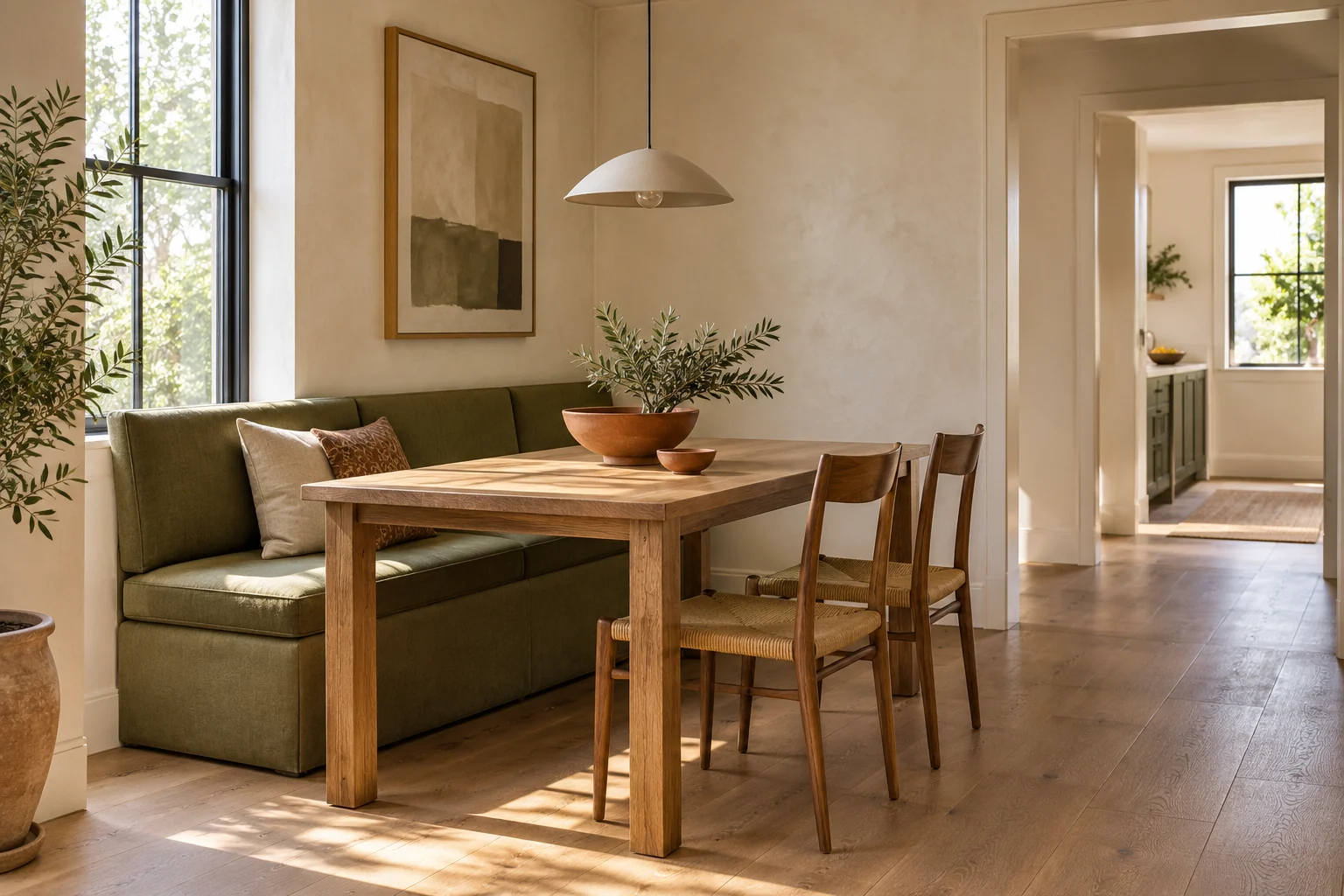
Explore ten original small dining-corner designs, from benches to folding tables, with seating, support, kitchen-route and daily-reset checks.
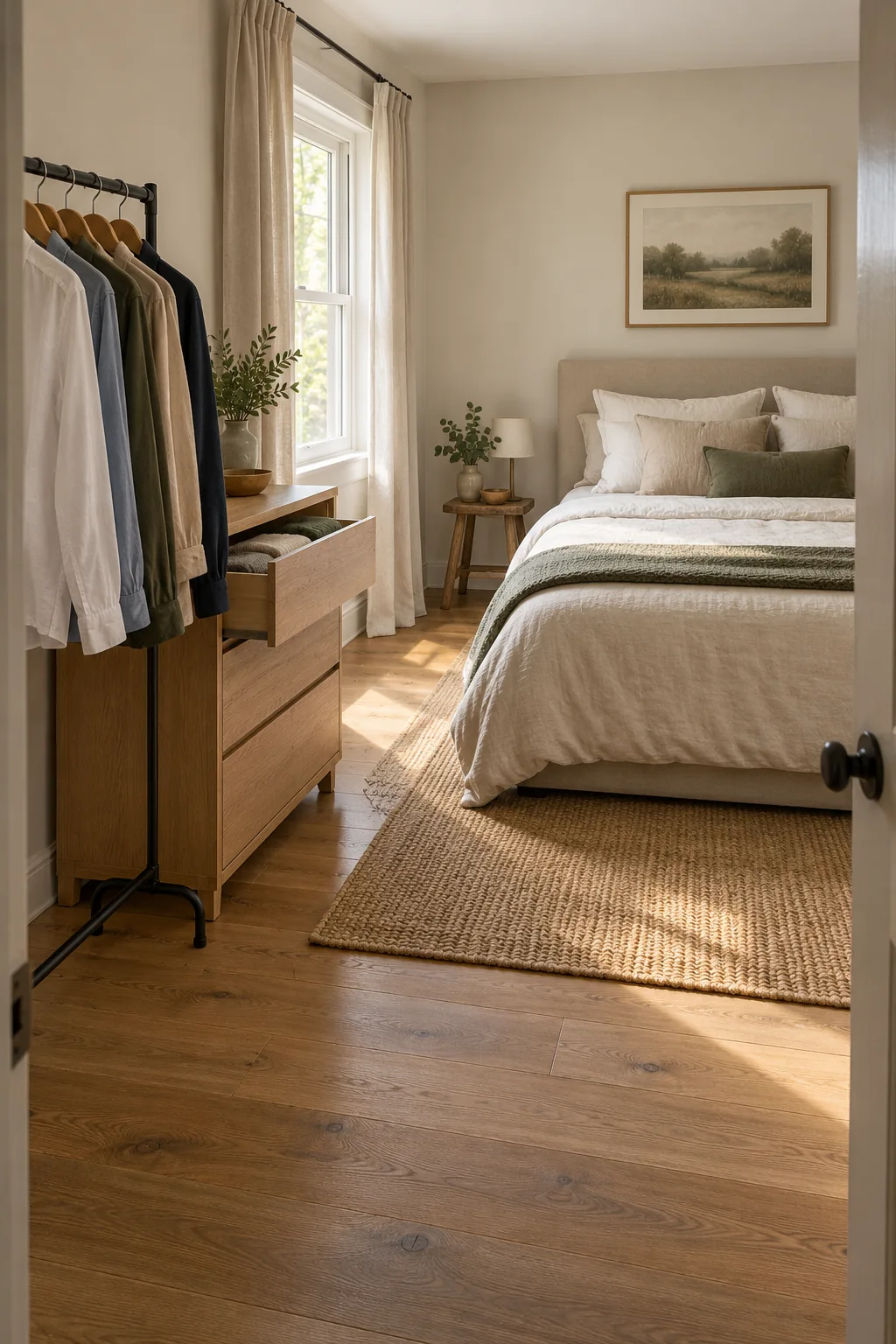
Compare ten original illustrated ways to store hanging and folded clothes without a wardrobe, with practical access, capacity, fixing and daily-reset checks.
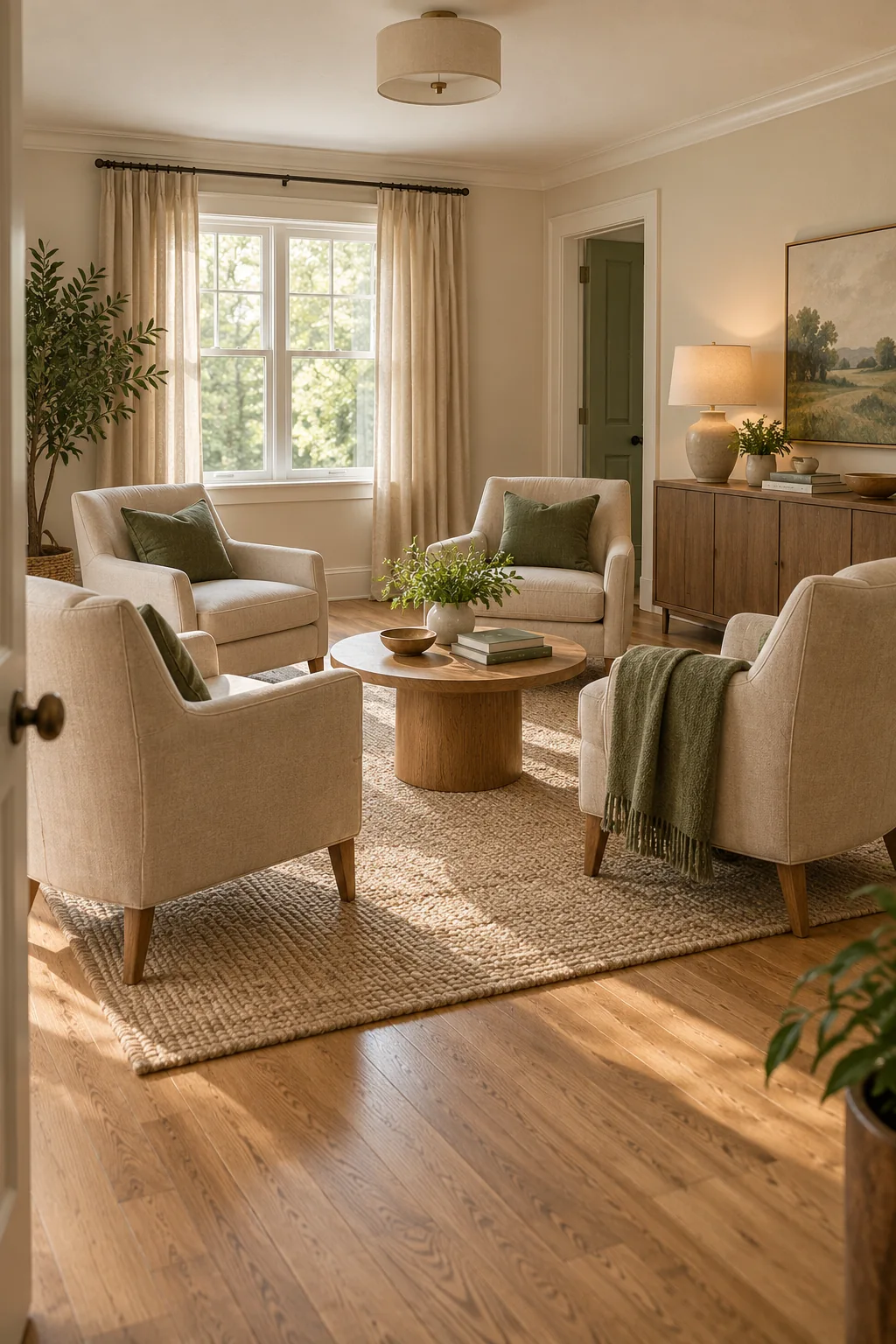
Explore ten original living-room designs built around individual chairs, with conversation, reading, table-reach, window-access and furniture-in-use checks.
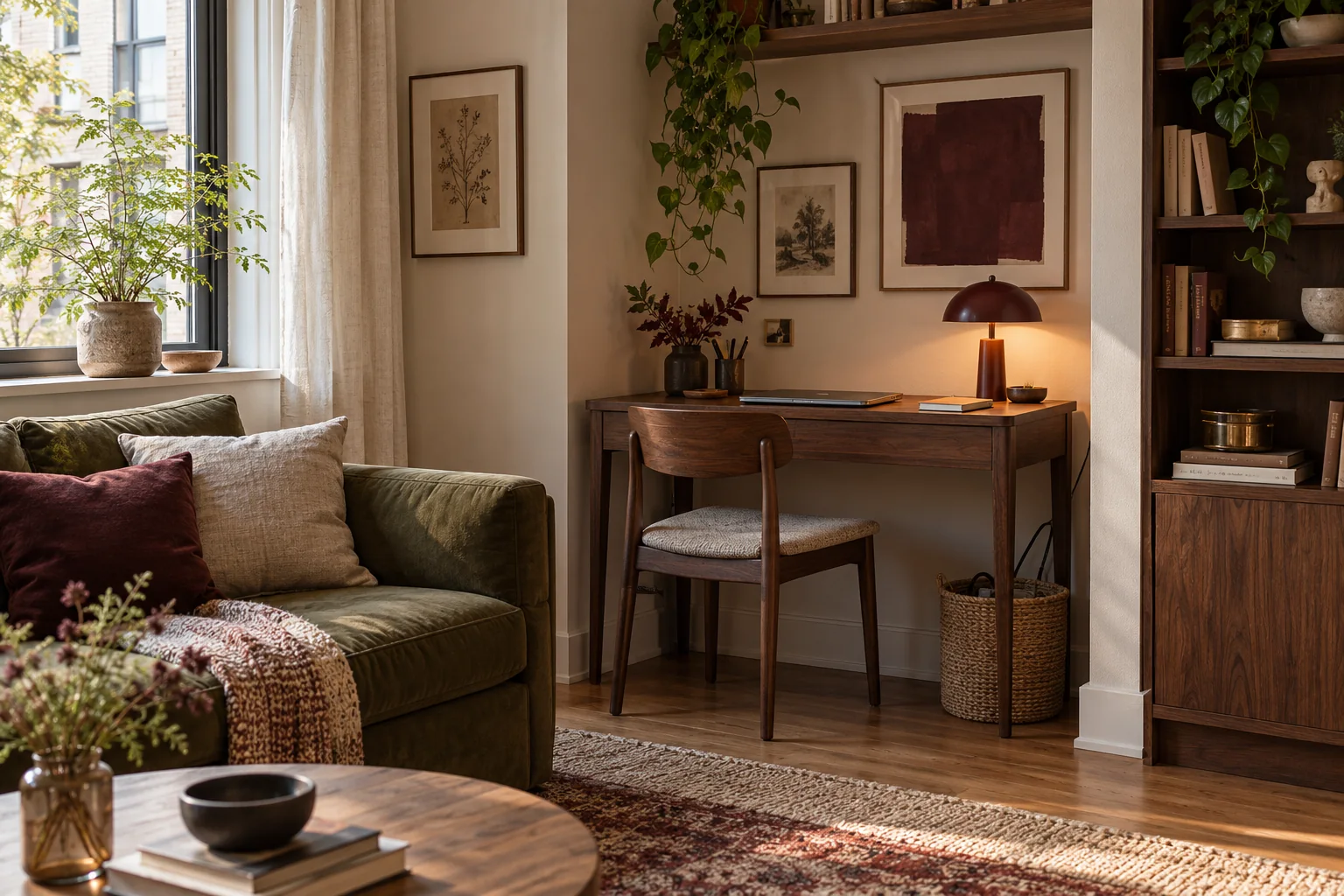
Choose a desk corner that works with your chair, light and daily route, then make work easy to put away.
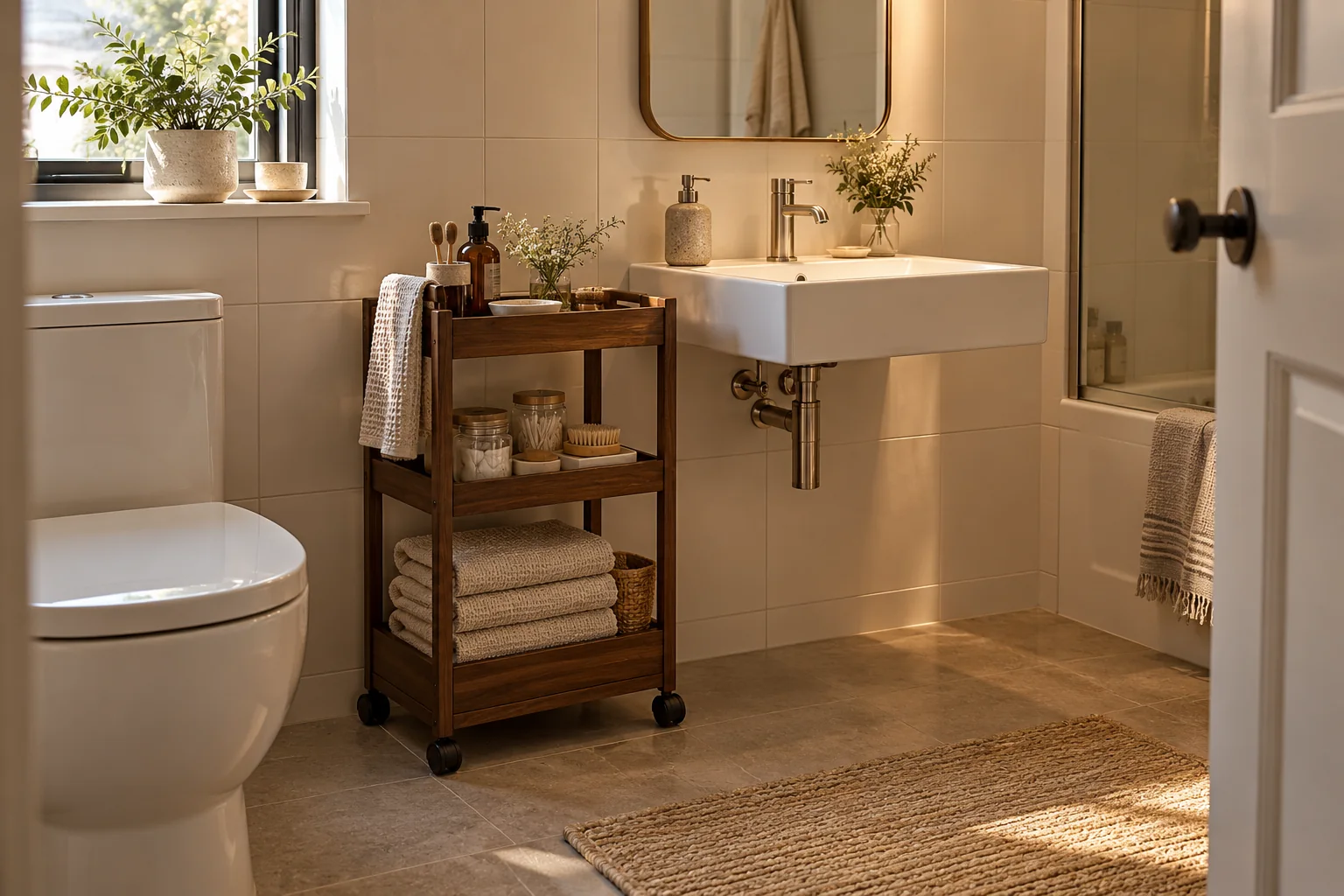
A renter-friendly plan for daily toiletries, towels and spare supplies, with storage choices that keep cleaning simple.
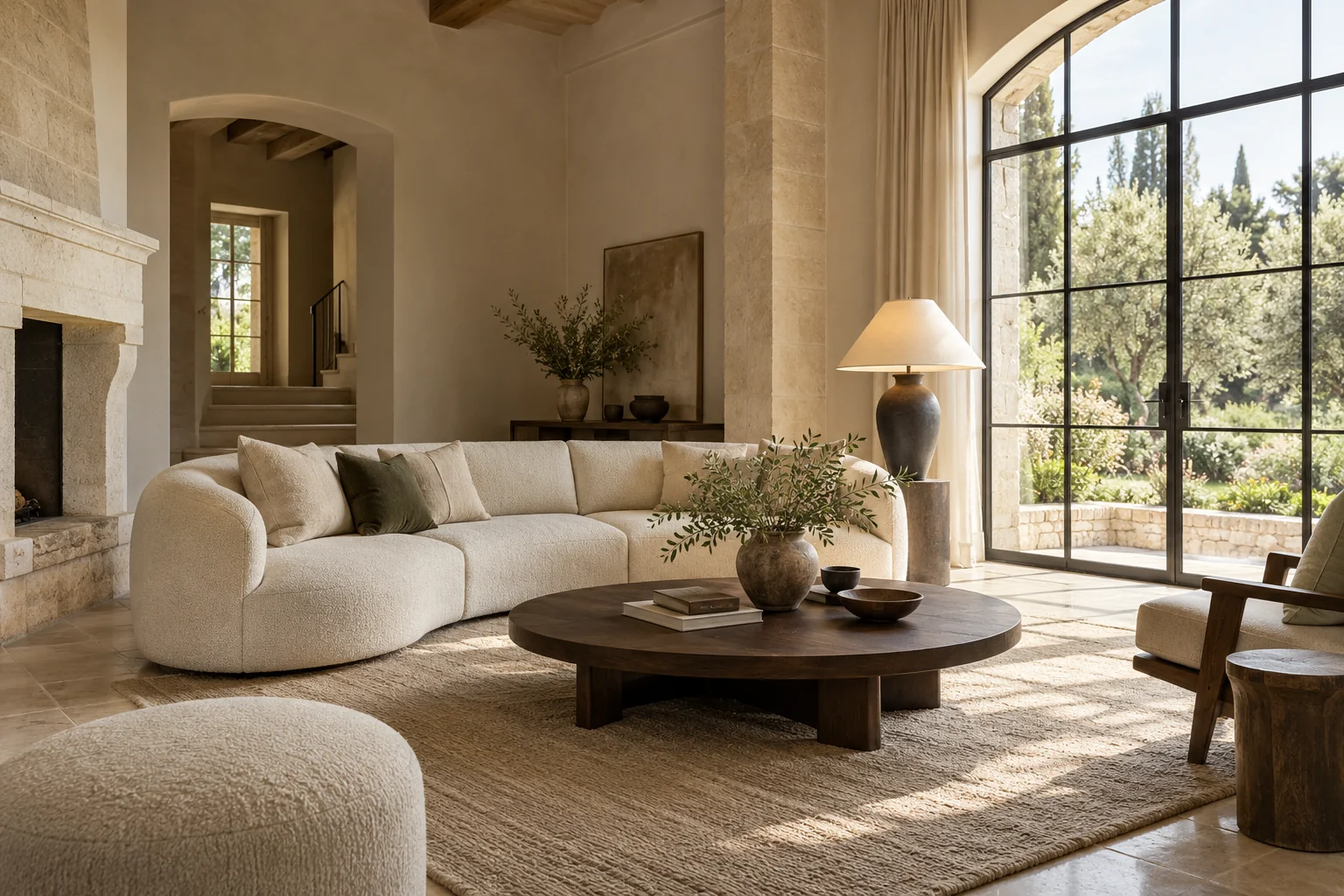
Compare front-leg and whole-group rug layouts, work through a measured example, and check edges, doors and cleaning before ordering.
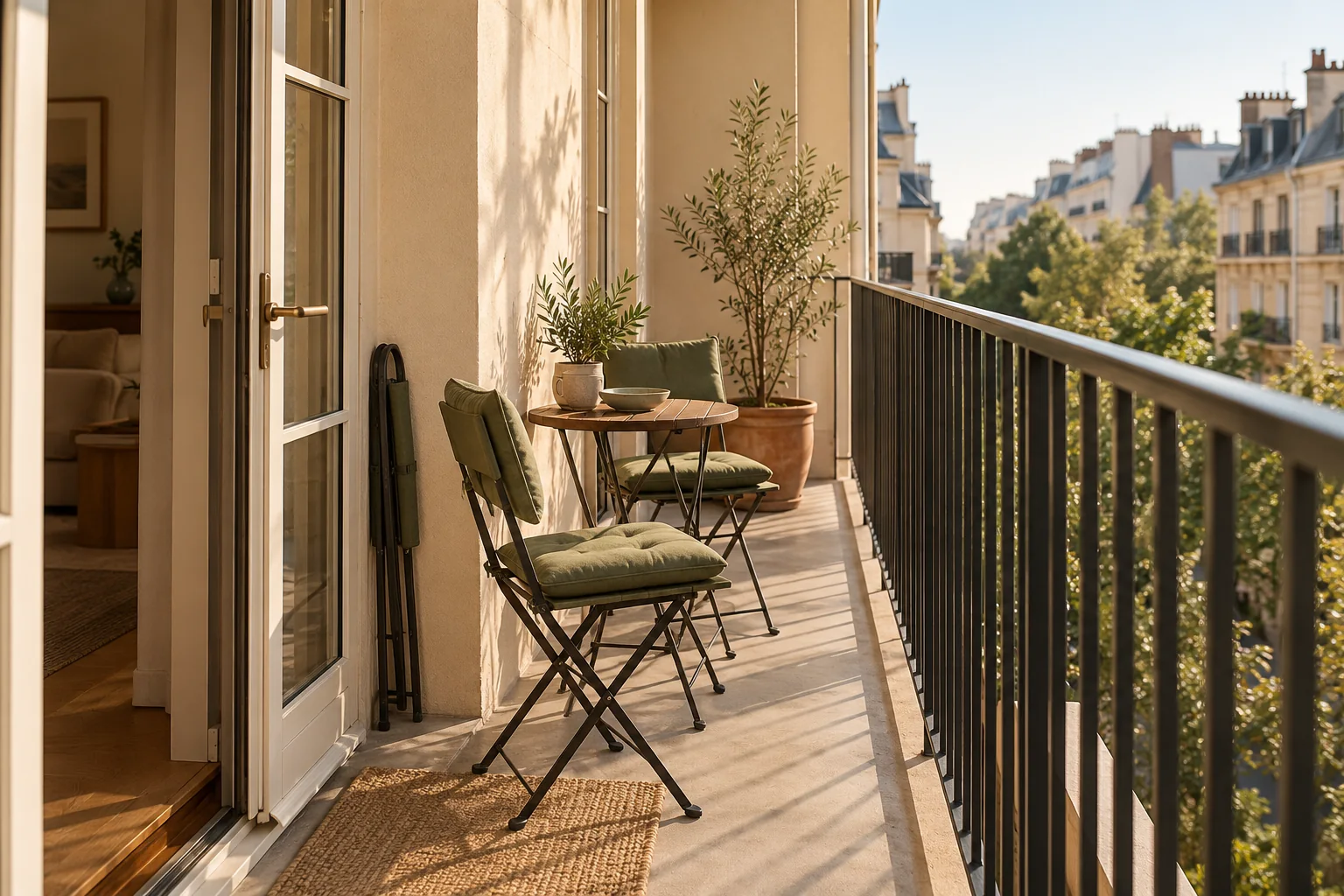
Plan a compact balcony around the door and one useful routine, then choose movable furniture and a simple weather reset.
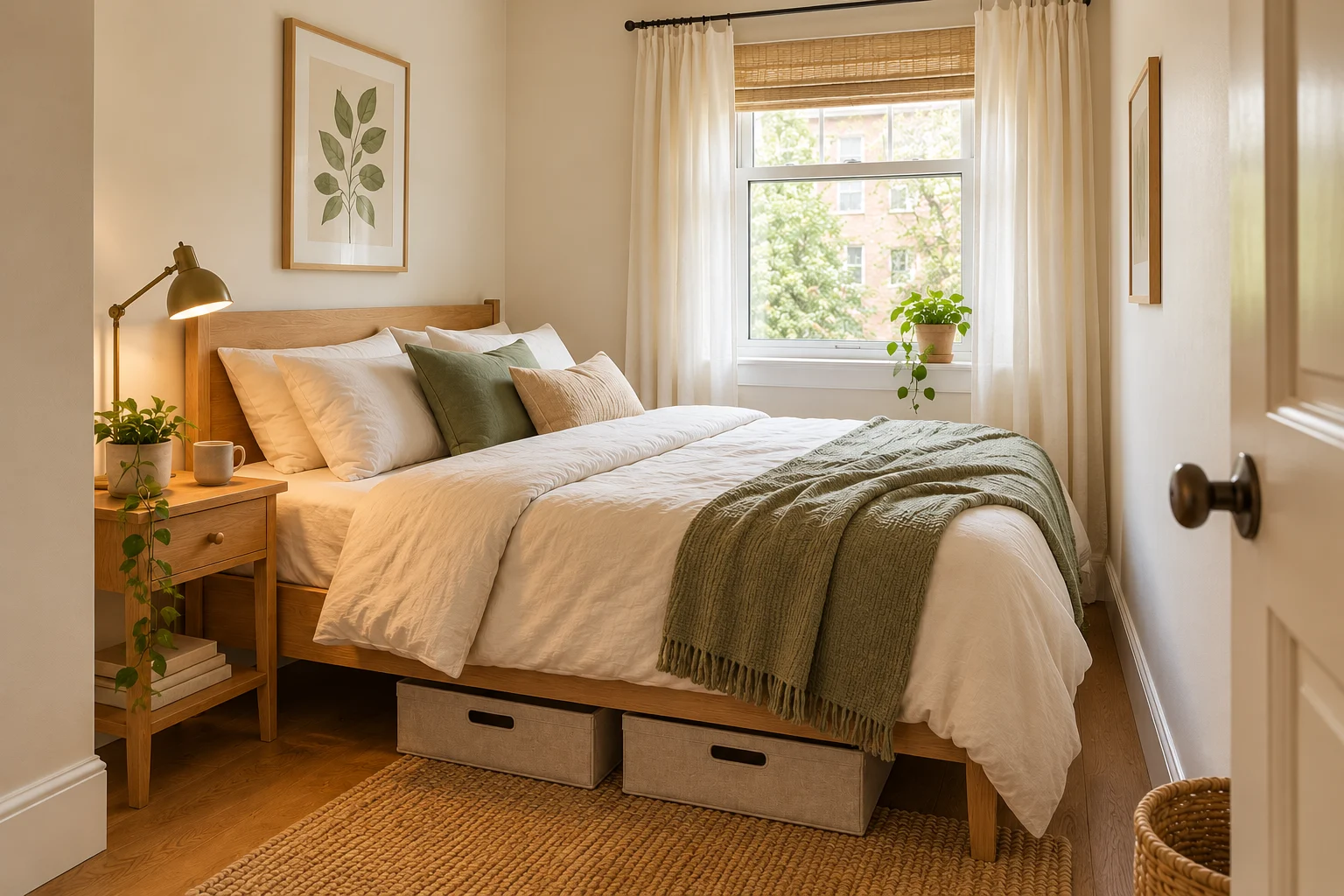
Compare a slim table, stool, bed pocket and wall shelf, then decide what your bedside actually needs to hold.
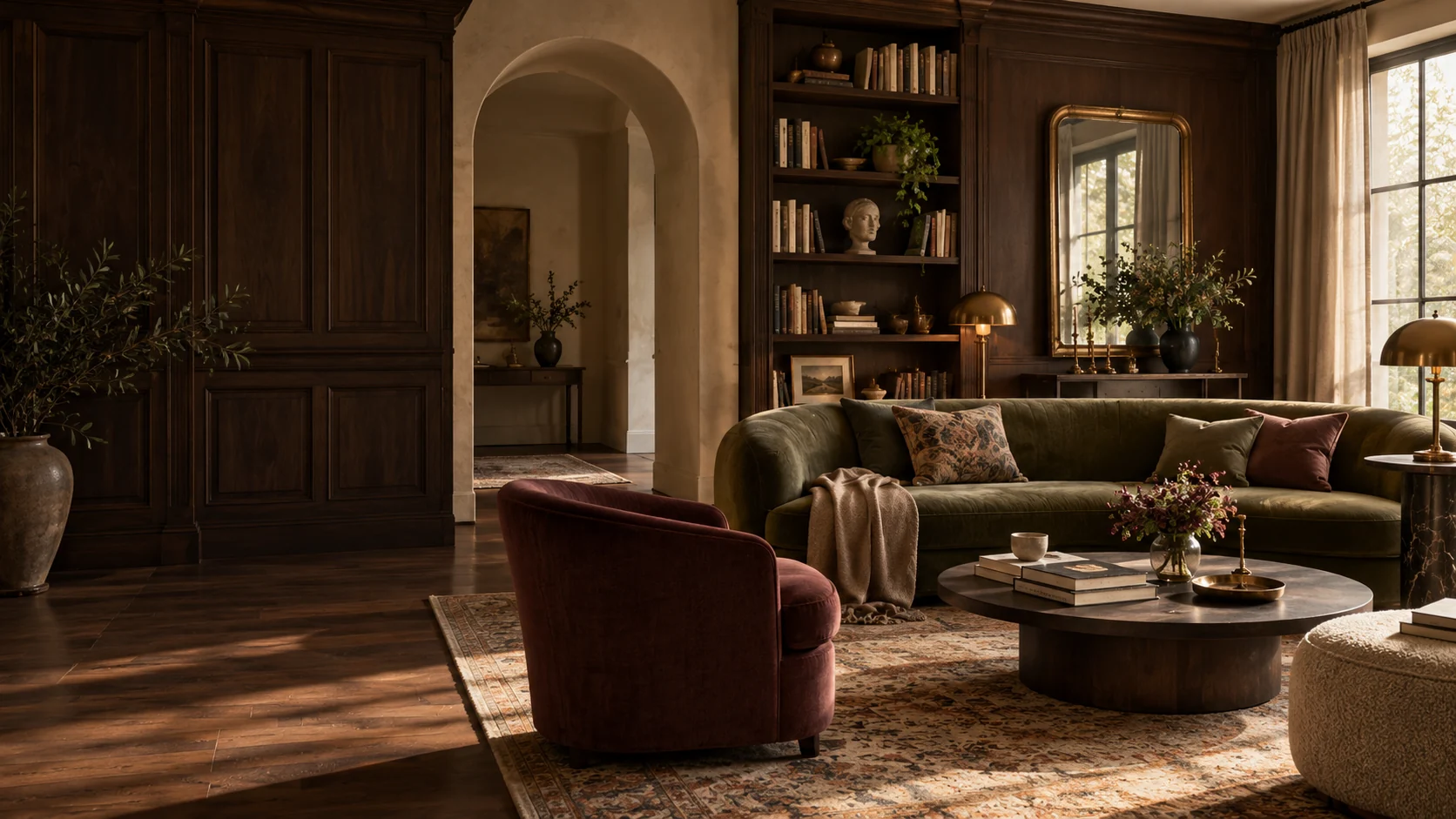
Build a shelf arrangement around real books and everyday storage, with a practical allocation worksheet and an easy reset.
Measure the routes, test your seating and compare two arrangements before buying furniture for a compact living room.
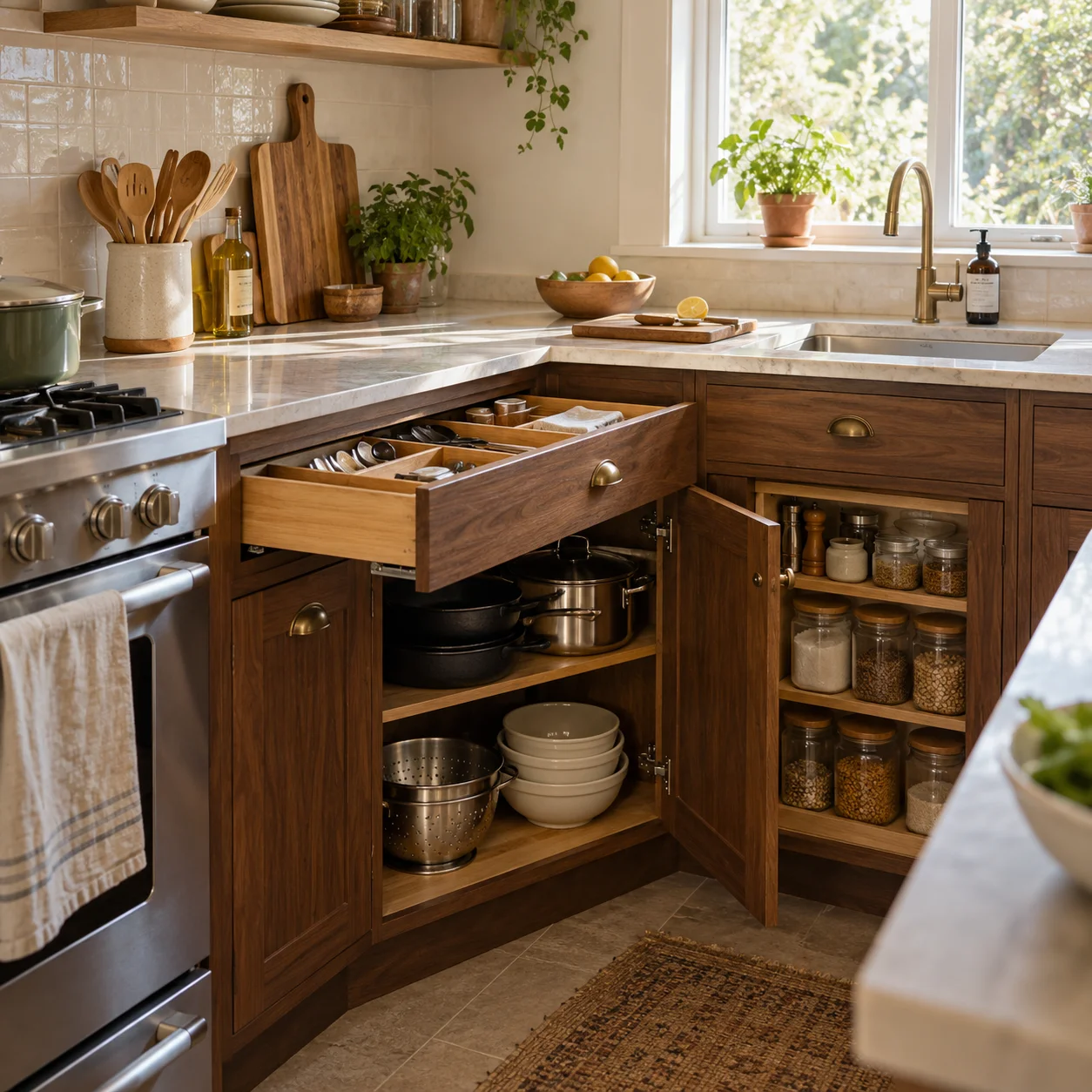
Find useful space in a compact kitchen by measuring usable cabinet interiors and organising around cooking, washing and everyday food preparation.
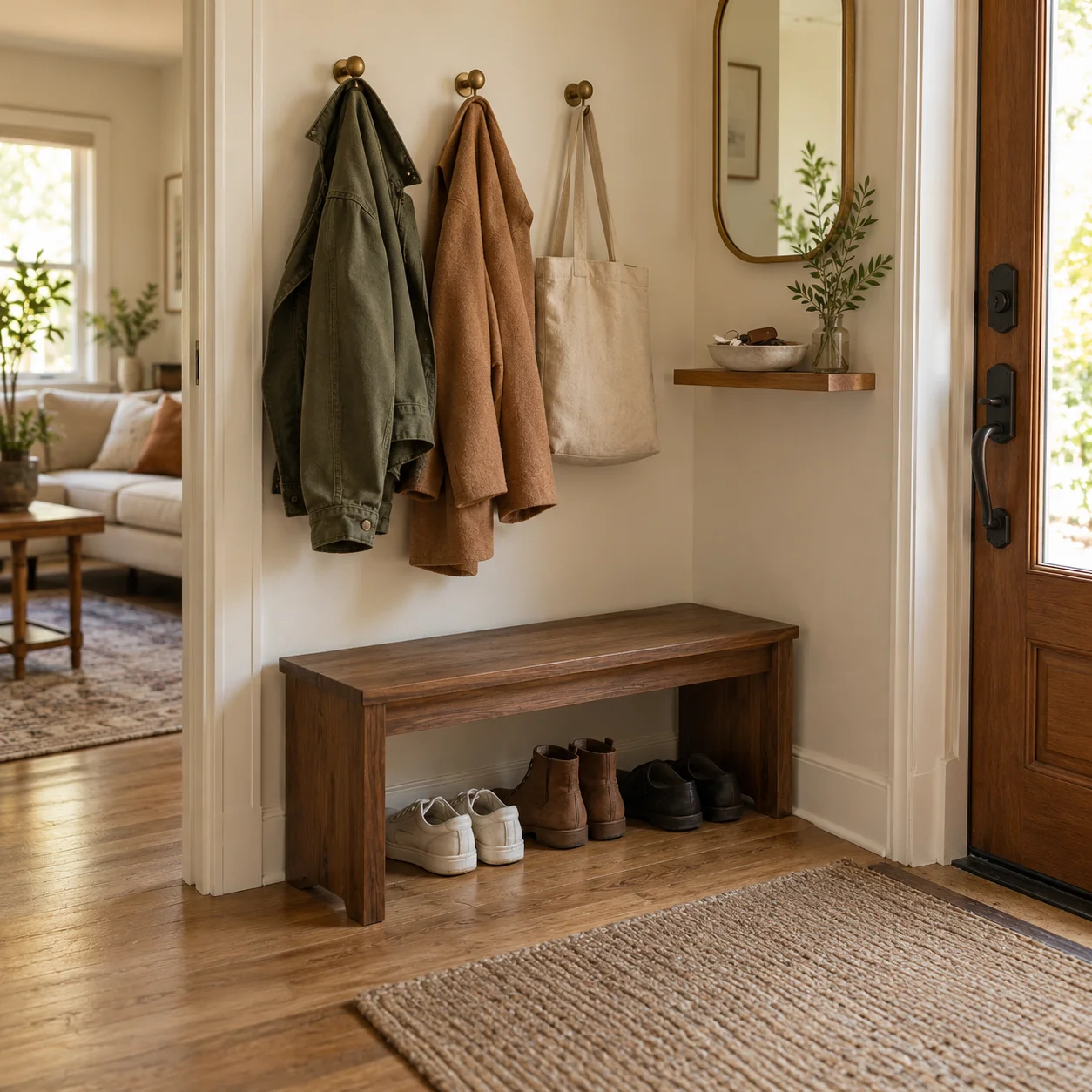
Plan a compact arrival area around the front door, the belongings you use daily and storage that suits your actual space.
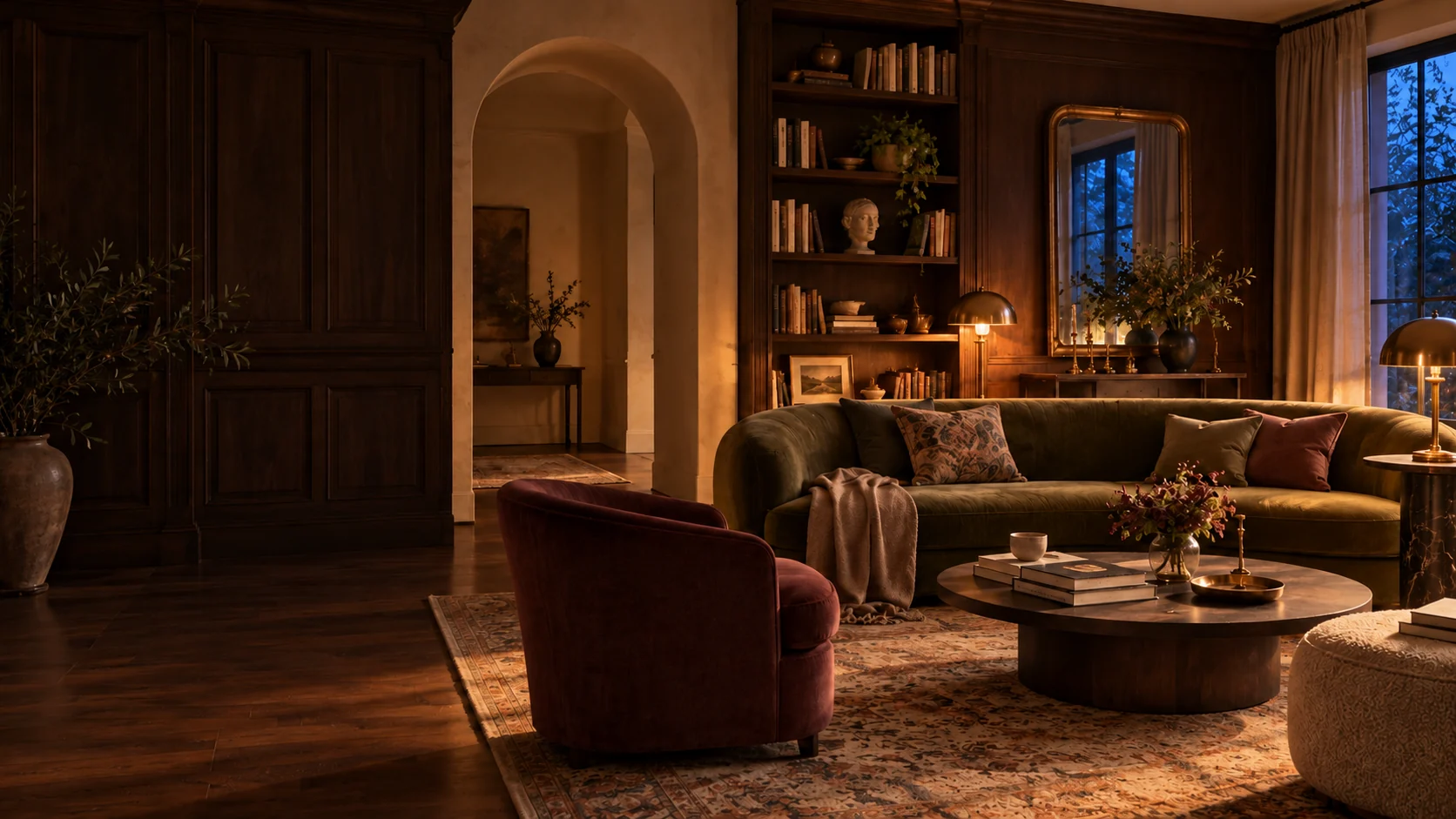
Start with existing furniture, compare colours in real light and use a small palette without assuming a screen swatch is a paint match.
A practical weekend sequence for improving a room through editing, rearranging and reusing, with no shopping list.
Simple layout, storage, and styling ideas for a room that works for you.
Layout, texture and lighting choices for an affordable refresh or a complete room plan.
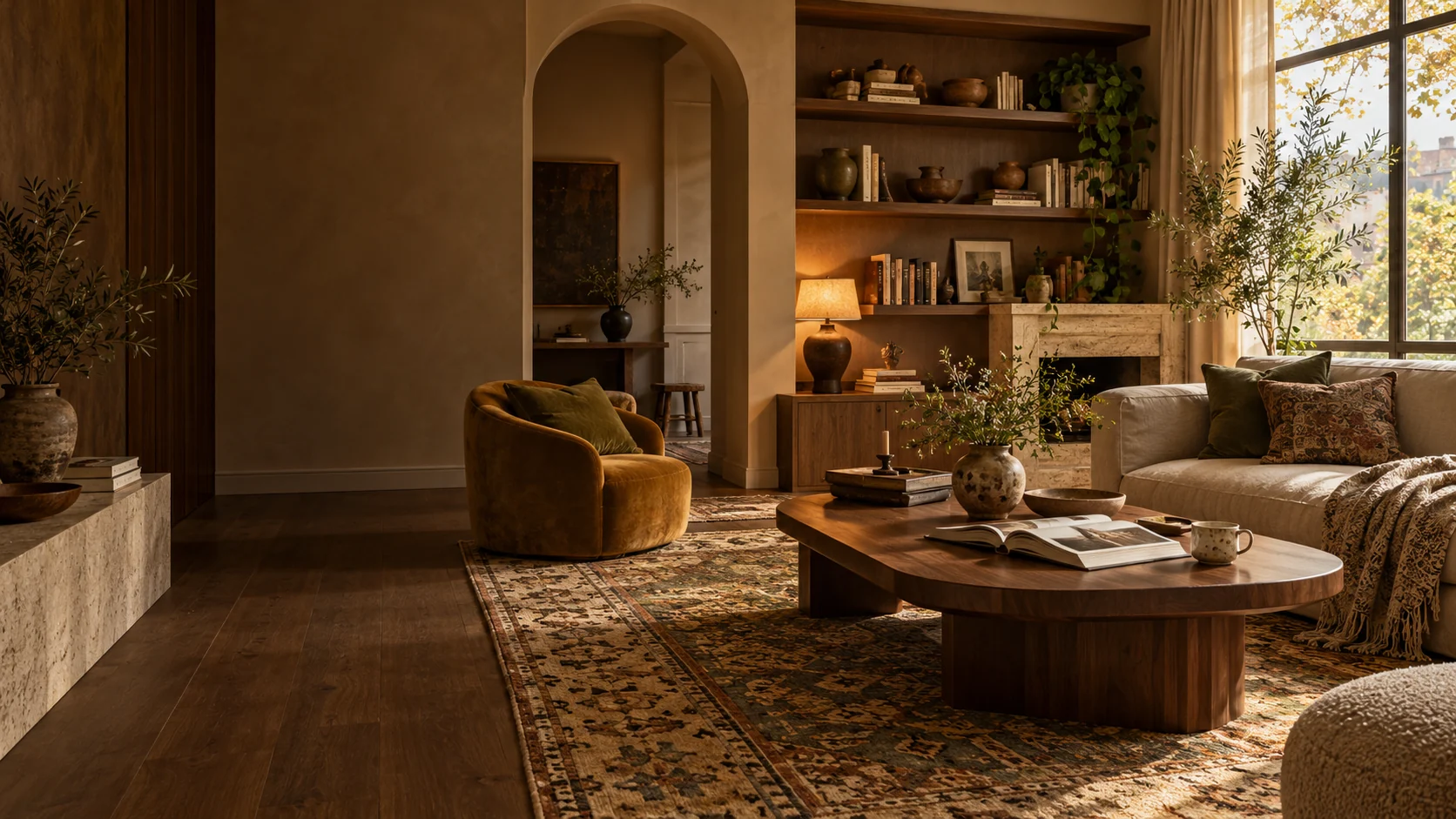
A practical way to build warmth around the furniture, routines and budget you already have.
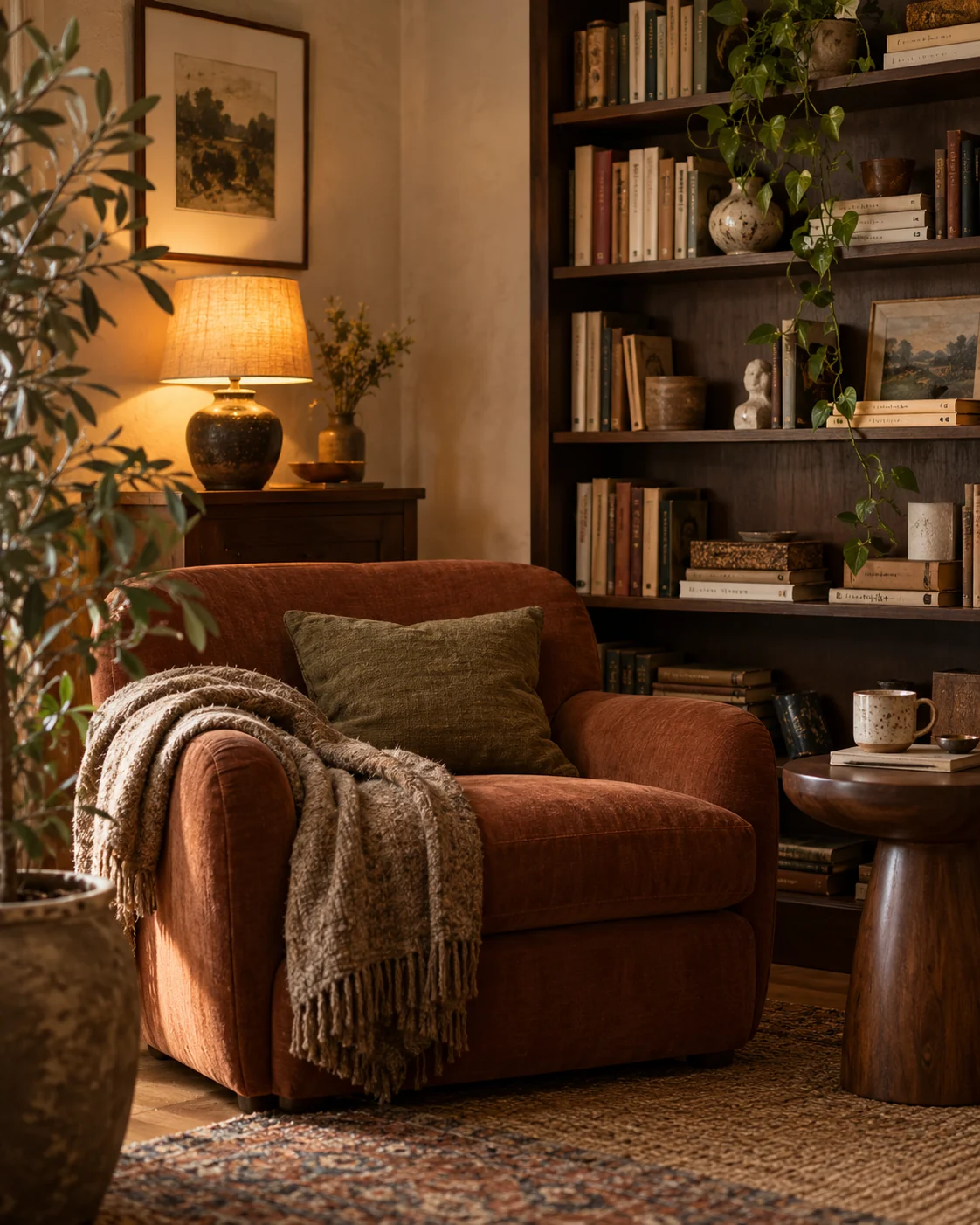
Movable pieces, reversible changes and small rituals that help a rented room feel personal.
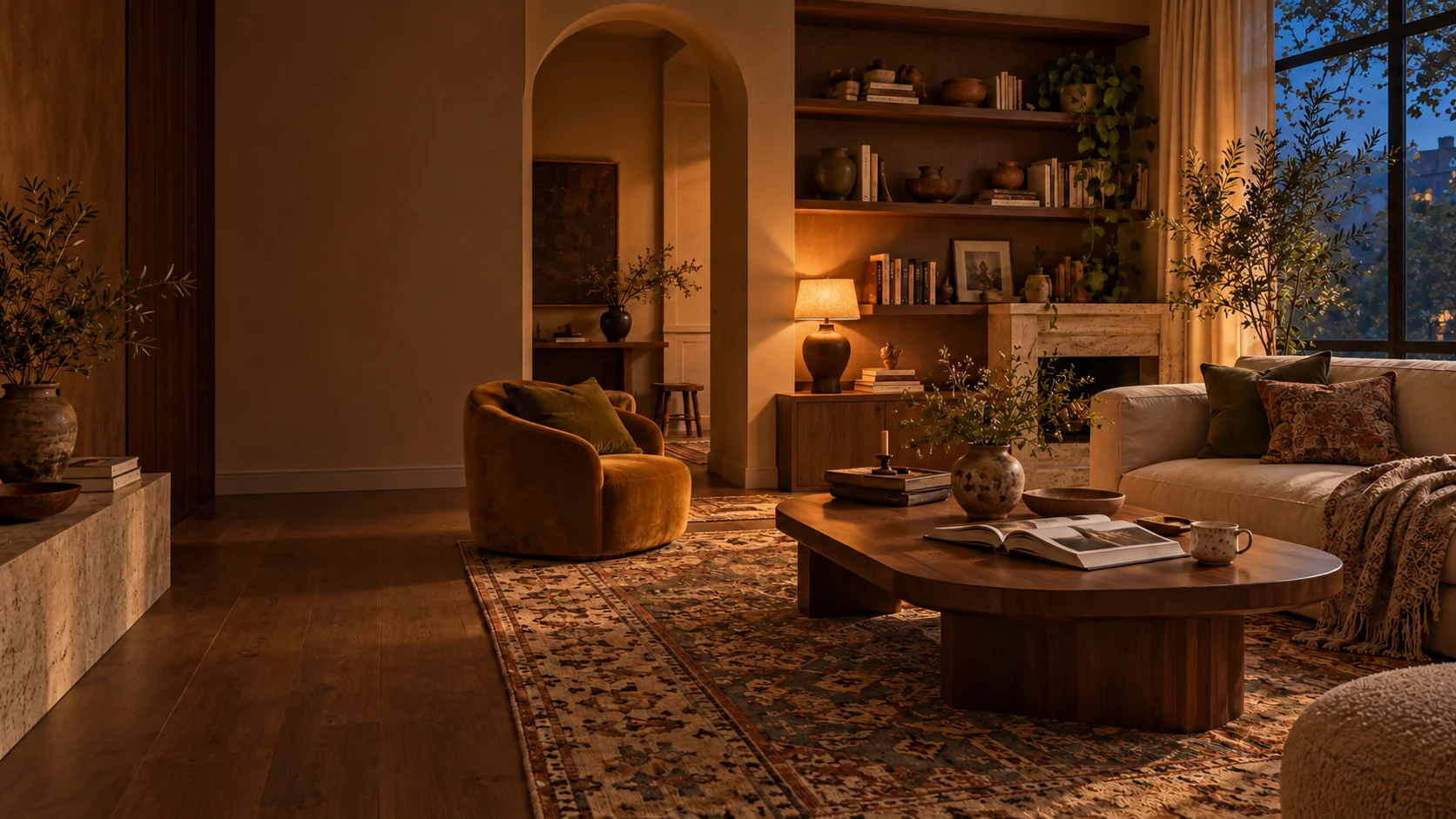
Plan gentle evening light around reading, conversation and the room you already use.
No guides match both choices. Clear the search or choose All stories.
With your permission, Google Analytics uses cookies to help us understand which guides people read and how they find this website. Your room photographs and saved plans stay on your device.
You can use every feature with analytics off and change your choice in the footer. Read the privacy notice.